Latvian–Lithuanian wetlands
Zarasai (Pol. Jeziorosy) – a town that belonged to the Vilnius bishop’s estate, with a manor once located on the Great Island of Lake Zarasas.
The Vilnius bishop’s estate was formed at the end of the 14th century, immediately after the Christianization of Lithuania, when on February 17, 1387, Grand Duke of Lithuania Jogaila donated the Tauragnai Castle along with its district, the villages of Labanoras and Molėtai, and other territories to support the future Vilnius bishopric. Later, the Salakas district and Zarasai were also added to this vast estate.
Although Zarasai is only mentioned in historical sources from 1516, it is believed that the town existed as early as the last quarter of the 15th century. Around the same time, the manor belonging to the Bishop of Vilnius might have been established on the Great Island of Lake Zarasas. However, information about the existence of the manor comes from much later documents, drawn up when it was already in decline.
In 1721, the inventory of the Zarasai Manor mentions that the buildings on the island were old and in disrepair, so it is very likely that the old Zarasai manor site was destroyed during the 1655–1661 war with the Muscovites and Swedes, and later rebuilt.
In 1731, in the inventory of the Vilnius bishop Jonas Zenkovičius’s estate, the Zarasai voivodeship was assigned to the Salakas key (administrative unit), and the buildings on the island were referred to as a folwark, a smaller economic unit of the manor where peasants performed corvée on the cultivated land. This document contains a fairly detailed description of this place for that time:
“The folwark was built on an island in Lake Zarasas, fenced off with an old fence. There was an old overseer’s house, covered with shingles [wooden tiles], which needed to be repaired. All doors were on hinges, windows were old and broken, inside there was an old stove made of gray tiles, two pine benches, and one linden wood table; in front of the overseer’s house was an old barn covered with shingles; a stable with shingle-covered edges and a straw-covered top, with a roofless barn at its end; there was also a threshing floor with a drying barn, covered with straw, and gates on hinges. By the lake stood a bathhouse with an anteroom; on a small hill, there was a vegetable storehouse covered with shingles and an anteroom, newly built. From the town side, a ferry was installed with a [linden] bark rope, which was used to cross to the folwark. On the island, there was arable land where about 20 barrels [of grain] could be sown, along with forest, but there was no meadow.”
In 1777, the inventory of the Salakas key of Vilnius Bishop Ignacy Jakub Massalski was compiled, along with an estate plan, in which the location of the folwark on the eastern part of the Great Island of Lake Zarasas was schematically depicted (Pol. folwark Ostrów).
The folwark completely disappeared at the end of the 18th century. It is believed to have been destroyed during the 1794 uprising, when after dealing with the Bishop of Vilnius, his estates were ravaged (by 1796, only cultivated fields remained on the island). After the partition of the Polish-Lithuanian Commonwealth, the Vilnius bishop’s estates were also divided. On February 6, 1797, by the order of the Tsar, the Salakas estate along with Zarasai came under the jurisdiction of the Vilnius civil governor.
In the middle of the 20th century, after leveling the hill on the eastern part of the Great Island of Lake Zarasas, a dam was built and a reinforced concrete bridge was constructed. Later, an open-air stage, a hippodrome, an asphalted road, and a nursery for city greenery (where even walnut trees were grown) were established on the island. Today, the island has become the main venue for sports and cultural events, and it also features the main city beach.
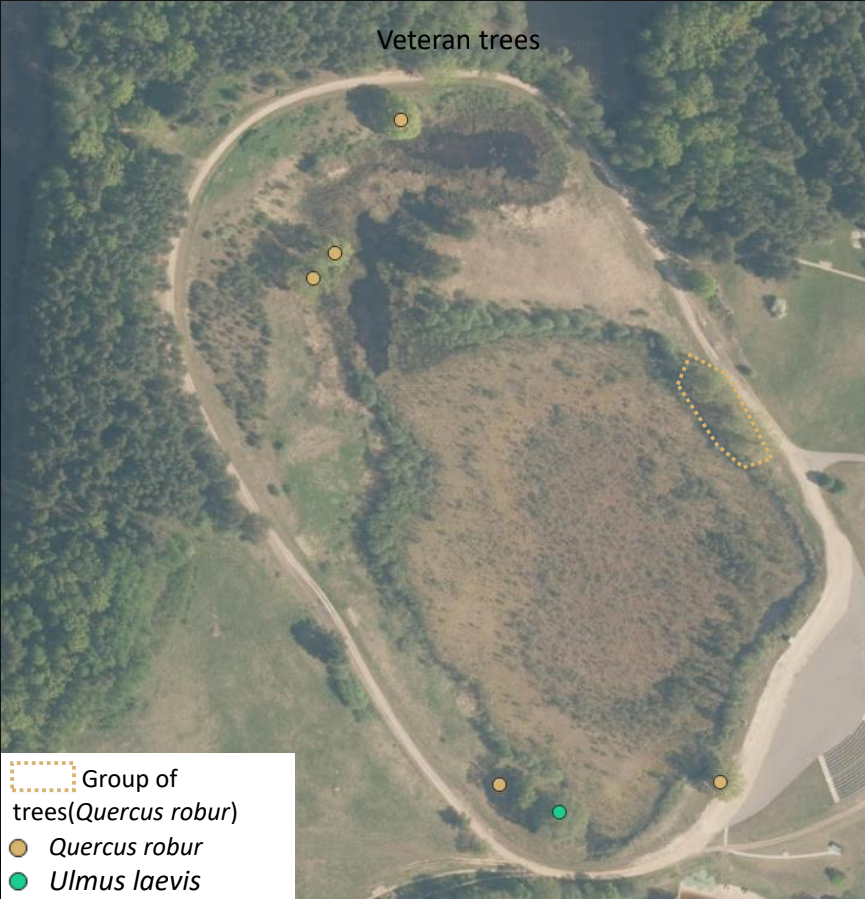
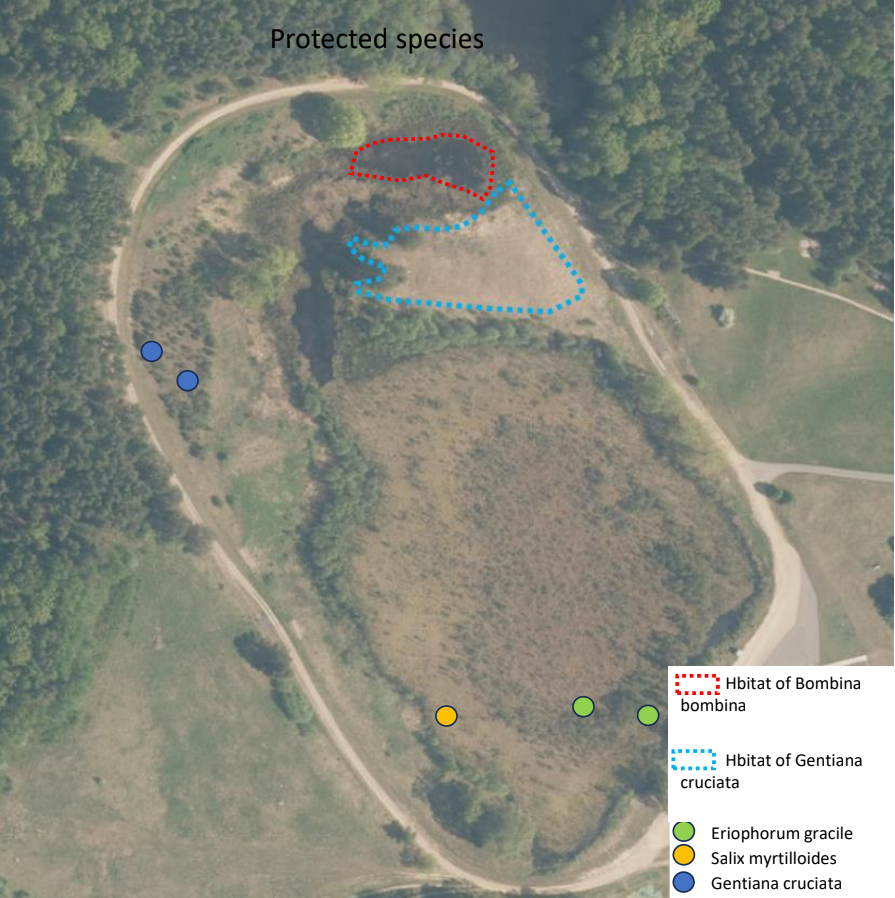
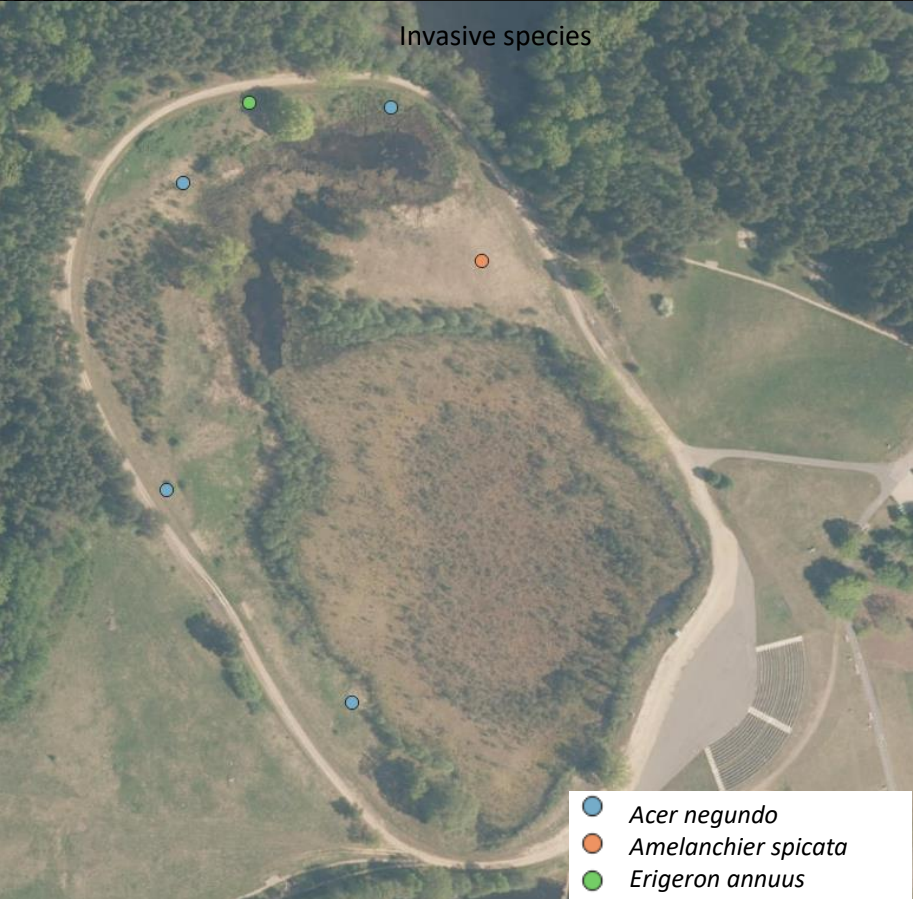
Although the Great Island of Lake Zarasas is heavily visited and its landscape has been significantly altered, it is rich in biodiversity: it has many trees that have reached natural maturity, the central part of the island is home to the Cross Gentian (Gentiana cruciata), listed in the Lithuanian Red Book, and in a nearby swampy habitat, the Fire-bellied Toad (Bombina bombina) and signs of activity of rare beetles – the Hermit Beetle (Osmoderma barnabita) and the European Oak Borer (Xestobium rufovillosum) – have been observed.
Zarasai is a town surrounded by lakes in northeastern Lithuania, distinguished by its picturesque landscape, rich natural environment, islands and wide range of active leisure opportunities. The town is situated on a hill surrounded by seven lakes, making water and nature an integral part of Zarasai’s identity.
Zarasai is an attractive destination both for peaceful recreation in nature and for active leisure. In and around the town, visitors can enjoy walking trails, admire the lake landscapes, swim, fish, go kayaking or explore the area by other means of water transport. The Zarasai region also offers opportunities to discover its cultural and natural heritage, including historical sites, manor estates, museums, churches and other places of interest.
One of the symbols of the town is the Great Island of Lake Zarasas. It is an island with a long history of human settlement dating back several centuries. Historical sources indicate that the island was once home to a manor belonging to the Bishops of Vilnius, while later the island was inhabited and used for farming. Before the construction of the bridge, the island could only be reached by boat or raft. In the mid-20th century, the island became increasingly adapted to the needs of the town, with a bridge, an outdoor stage, a horse-racing track, a paved road and an arboretum established there.
Today, the Great Island is one of the main spaces for sports, culture, recreation and events in Zarasai. It is home to the town’s main beach, a wellness trail, a children’s playground and various water-based activities. During the summer season, cafés operate on the island, while various cultural and recreational events take place throughout the year. The island is also a popular destination for active leisure and water activities.
However, the island’s recreational role is not its only distinctive feature. The Great Island is also characterised by rich biodiversity and valuable wetland habitats. Despite being intensively visited and having a landscape significantly shaped by human activity, the island is home to mature trees, rare plants and animal species. The central part of the island is home to the cross gentian (Gentiana cruciata), which is included in the Lithuanian Red Data Book. The nearby wetland habitats provide suitable conditions for the fire-bellied toad (Bombina bombina), while signs of activity of rare beetle species have also been observed.
The natural history of the island is also hidden beneath its surface. Geological investigations have shown that parts of the former horse-racing track area contain naturally waterlogged areas, thick layers of peat and sapropel. In some places, the peat layer is more than 10 metres thick. These layers bear witness to the long history of wetland formation and the former lake environment. The groundwater level in this area is closely connected to the water level of Lake Zarasas, meaning that wet conditions are a natural feature of the area.
This interaction between nature and human activity is particularly important in the context of the UrbUmbrella project. The aim of the project is not to separate the wetland from people, but to find ways to protect it while also creating opportunities for people to discover and responsibly enjoy this natural environment.
As part of the project, approximately 9.82 hectares of wetland area on the Great Island of Lake Zarasas will be restored and maintained. Habitat restoration and biodiversity conservation measures will be implemented, vegetation will be managed, meadow habitats maintained, areas important for biodiversity created, winter shelters for amphibians and nesting boxes installed, and valuable trees maintained.
A special multifunctional amphibious wetland maintenance machine will be purchased for the long-term management of the area. It will enable more effective wetland maintenance, including the removal of excessive aquatic vegetation and reeds, as well as the management of shorelines and open water areas. Information stands and visitor infrastructure will also be installed to help make the natural value of the Great Island more visible and understandable to the public.
Zarasai and the Great Island are a place where nature, water, urban life and history come together in one landscape. Through the UrbUmbrella project, the aim is to preserve this unique balance for the future by restoring wetland ecosystems, protecting biodiversity and providing people with more opportunities to discover the natural heritage of the town.