Emys orbicularis and Species Breeding
It still sounds incredible, but wild turtles really do live in Latvia! The European pond turtle (Emys orbicularis) is one of our country’s rarest and specially protected reptile species (since 2008, they have been included in the list of specially protected species). In Latvia, Emys orbicularis is at the extreme northern border of its distribution range, making survival here particularly challenging.

Appearance:
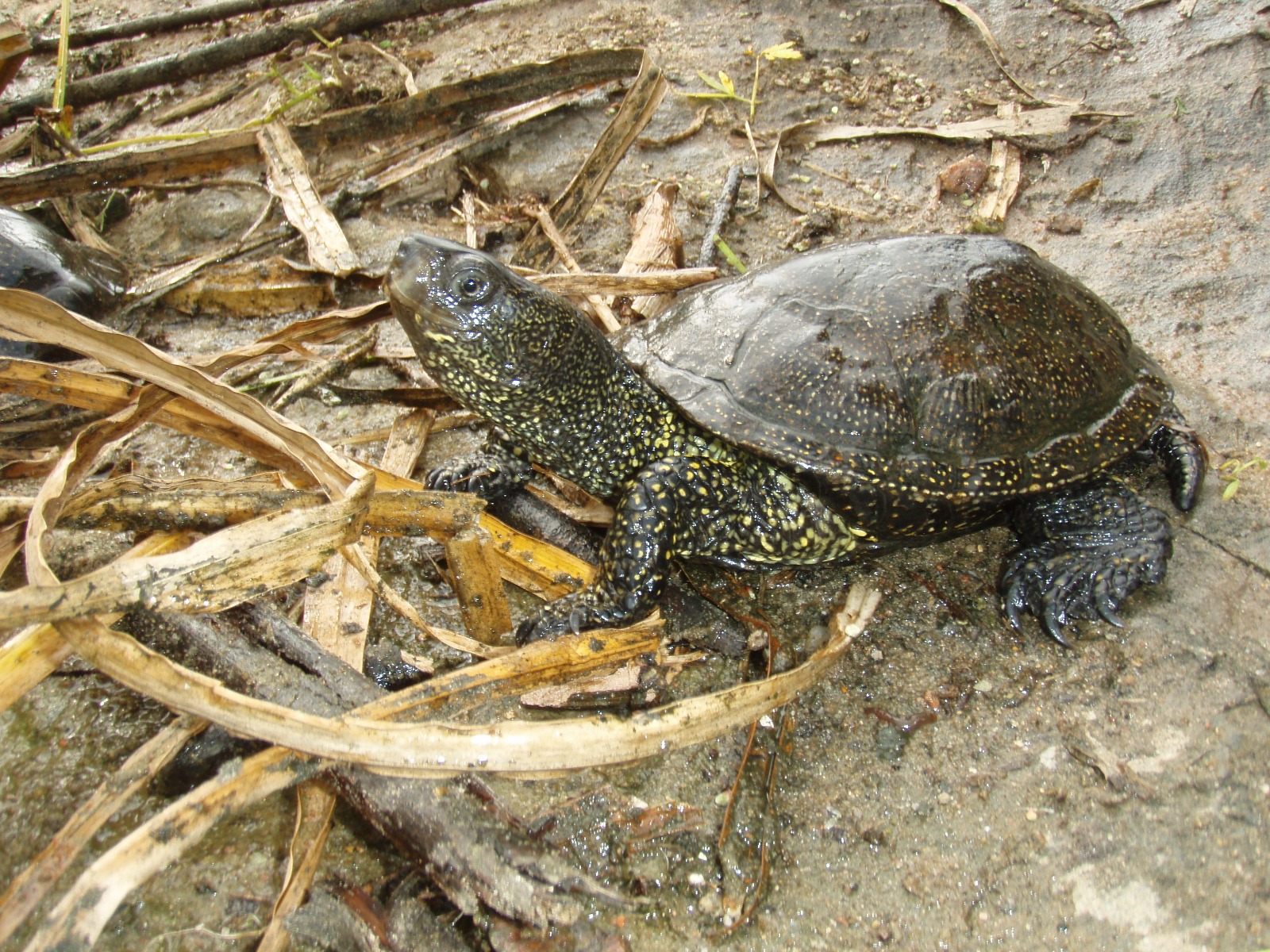
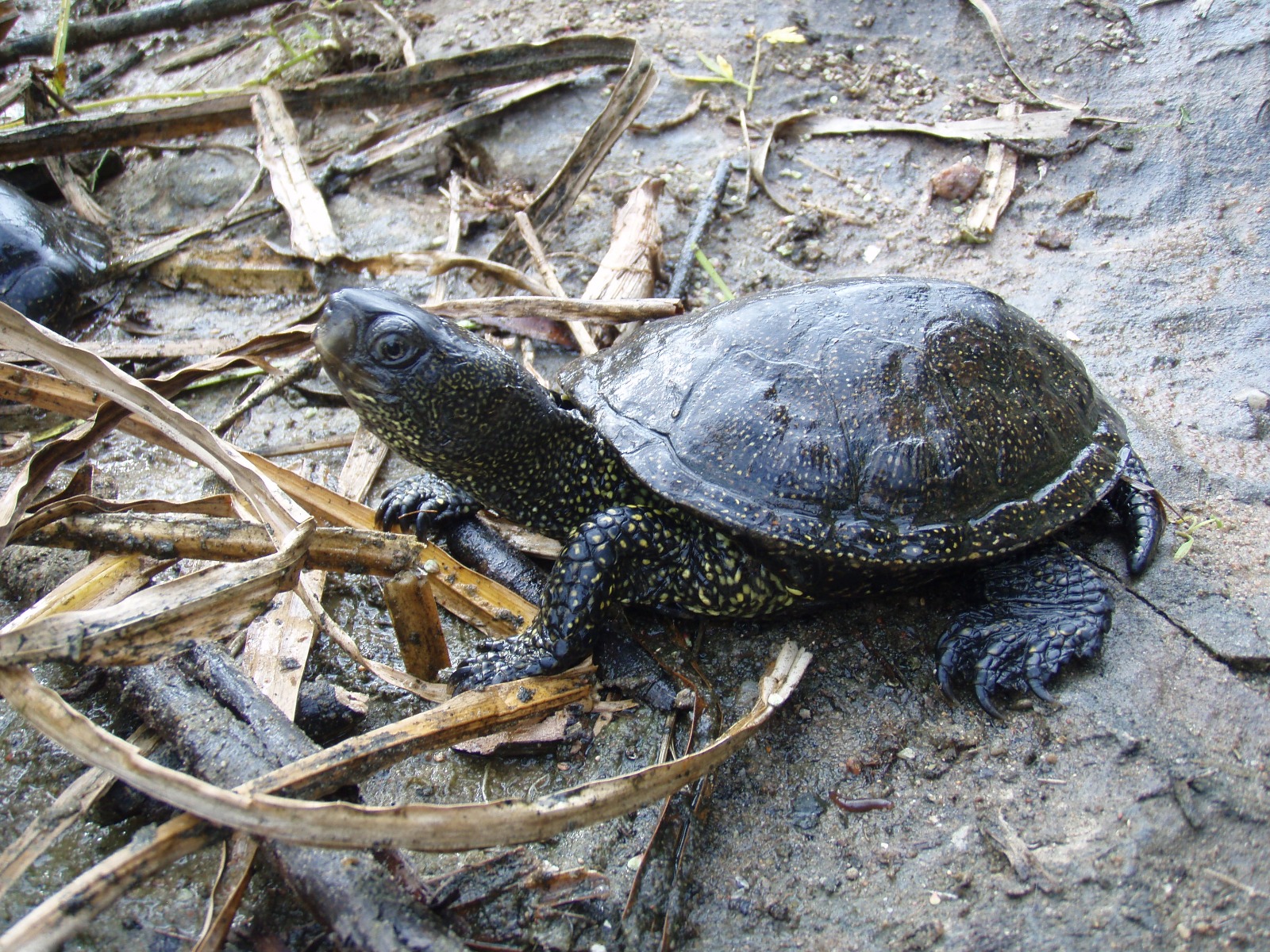
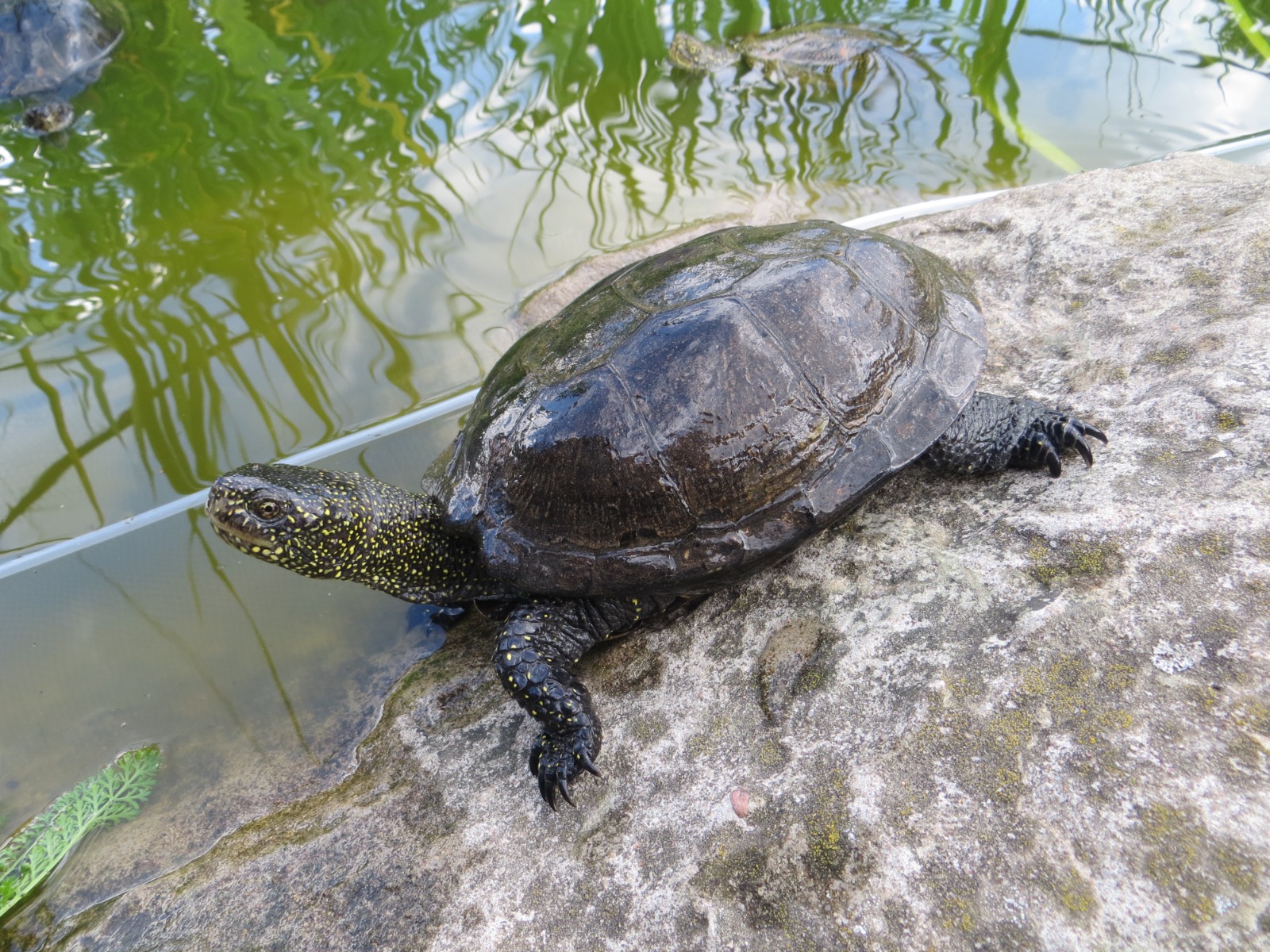
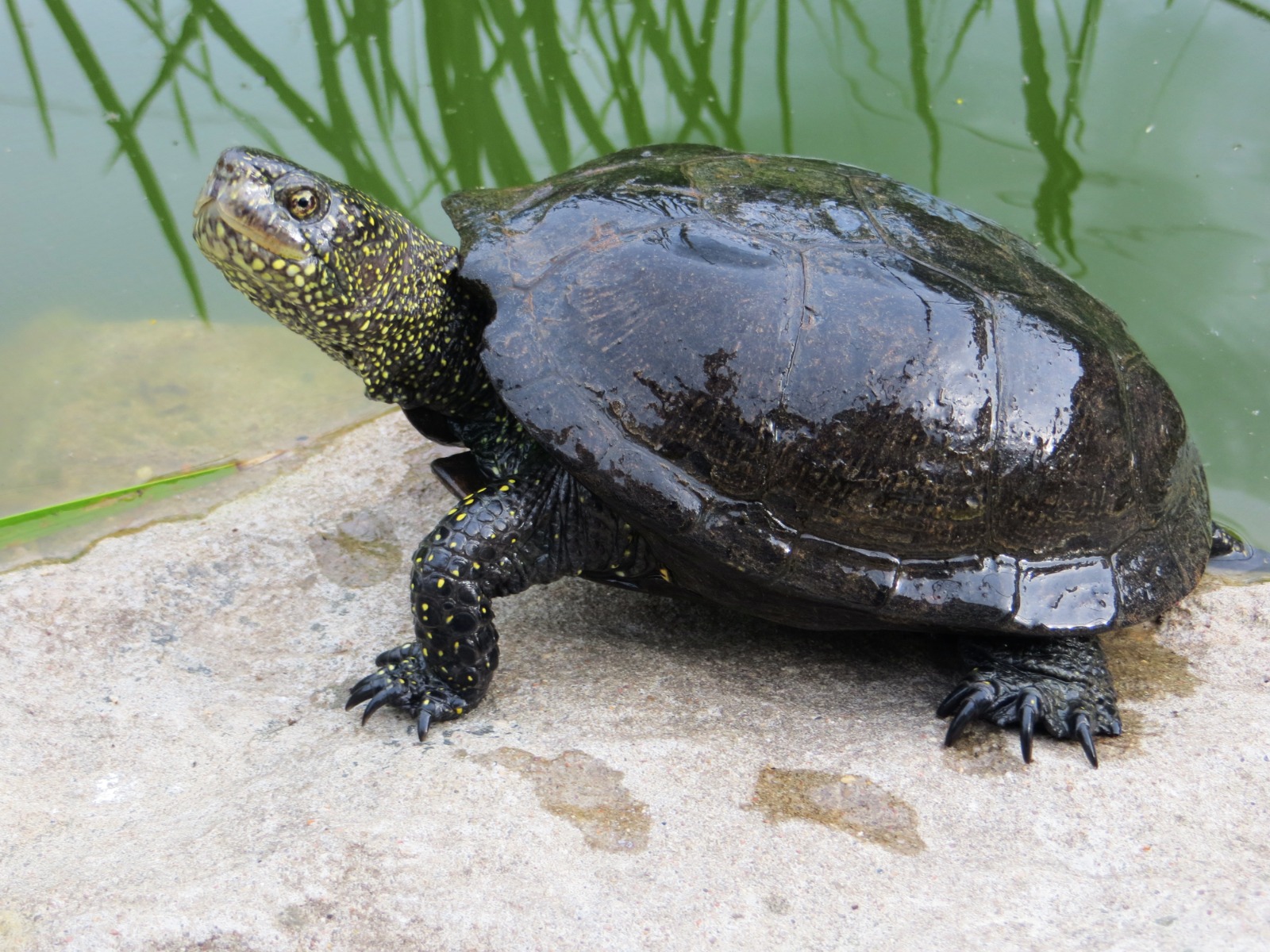
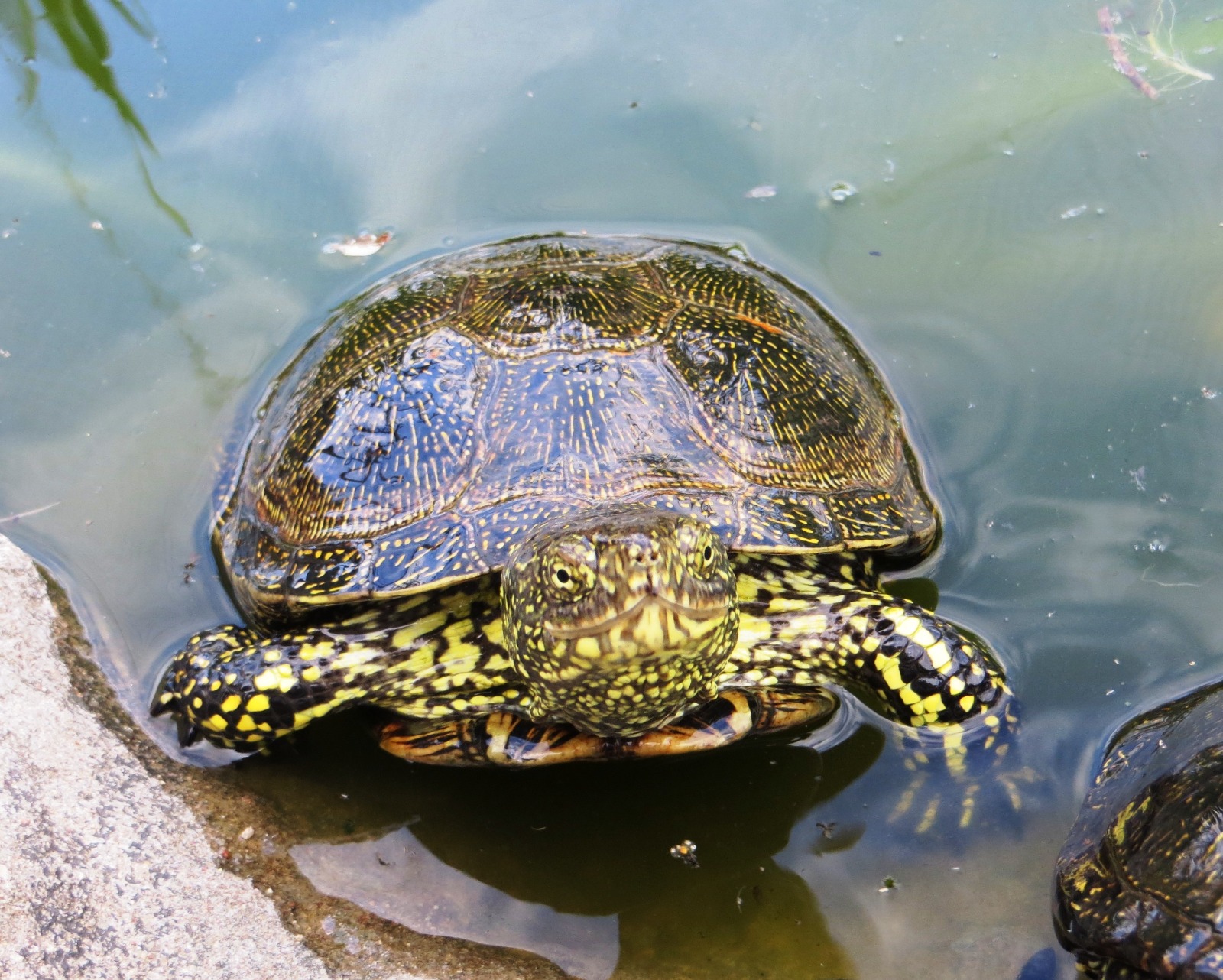
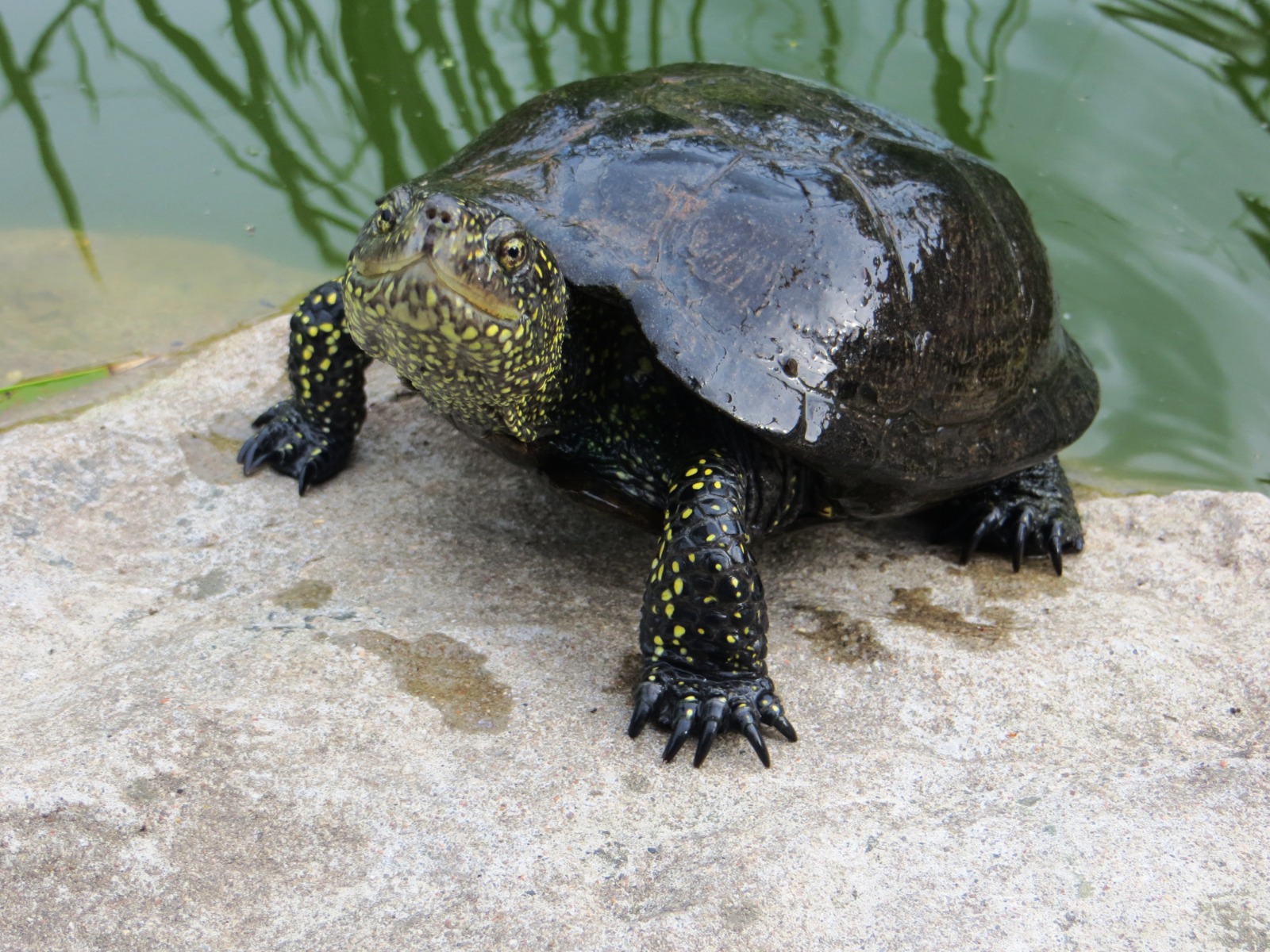
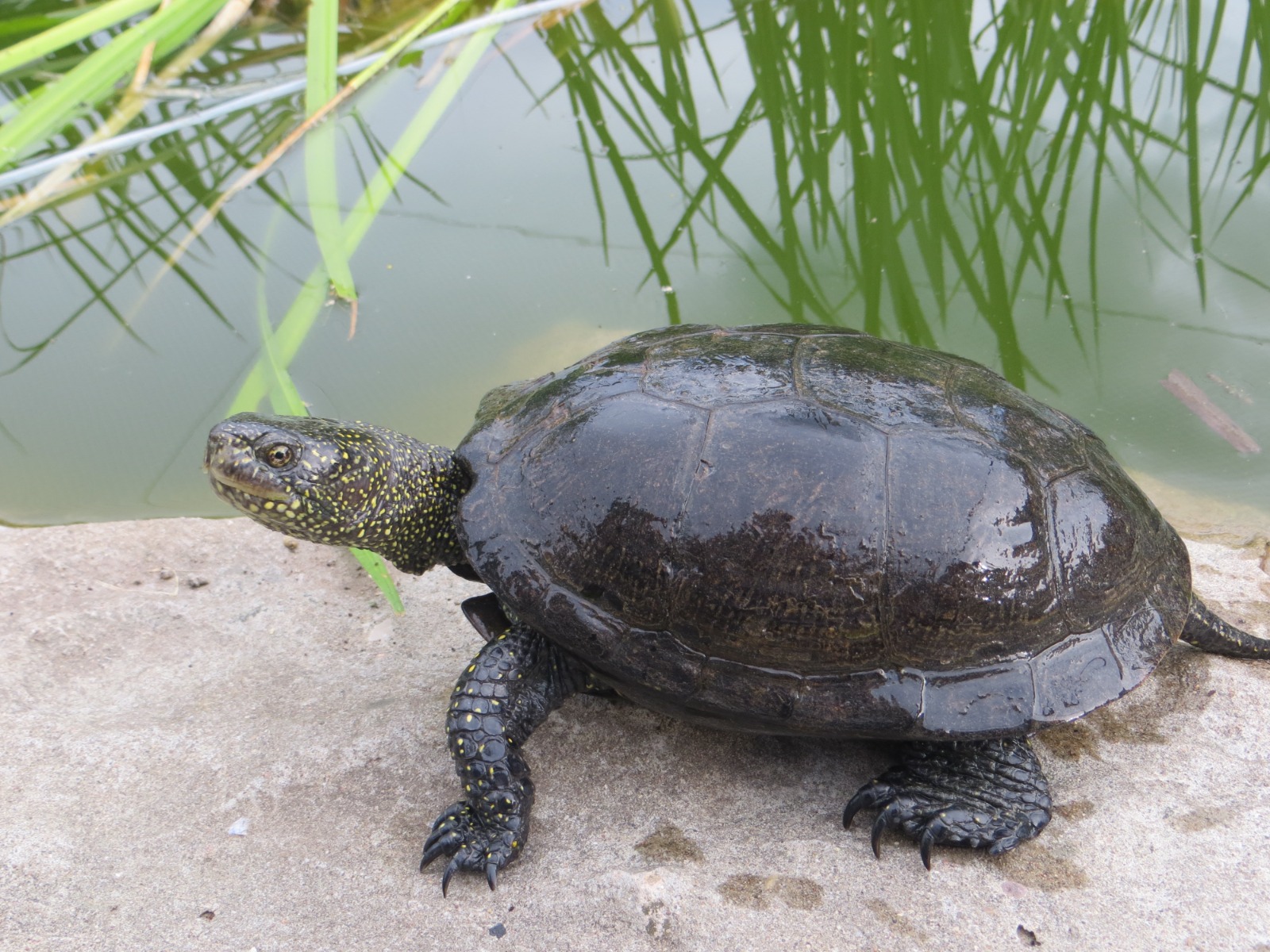
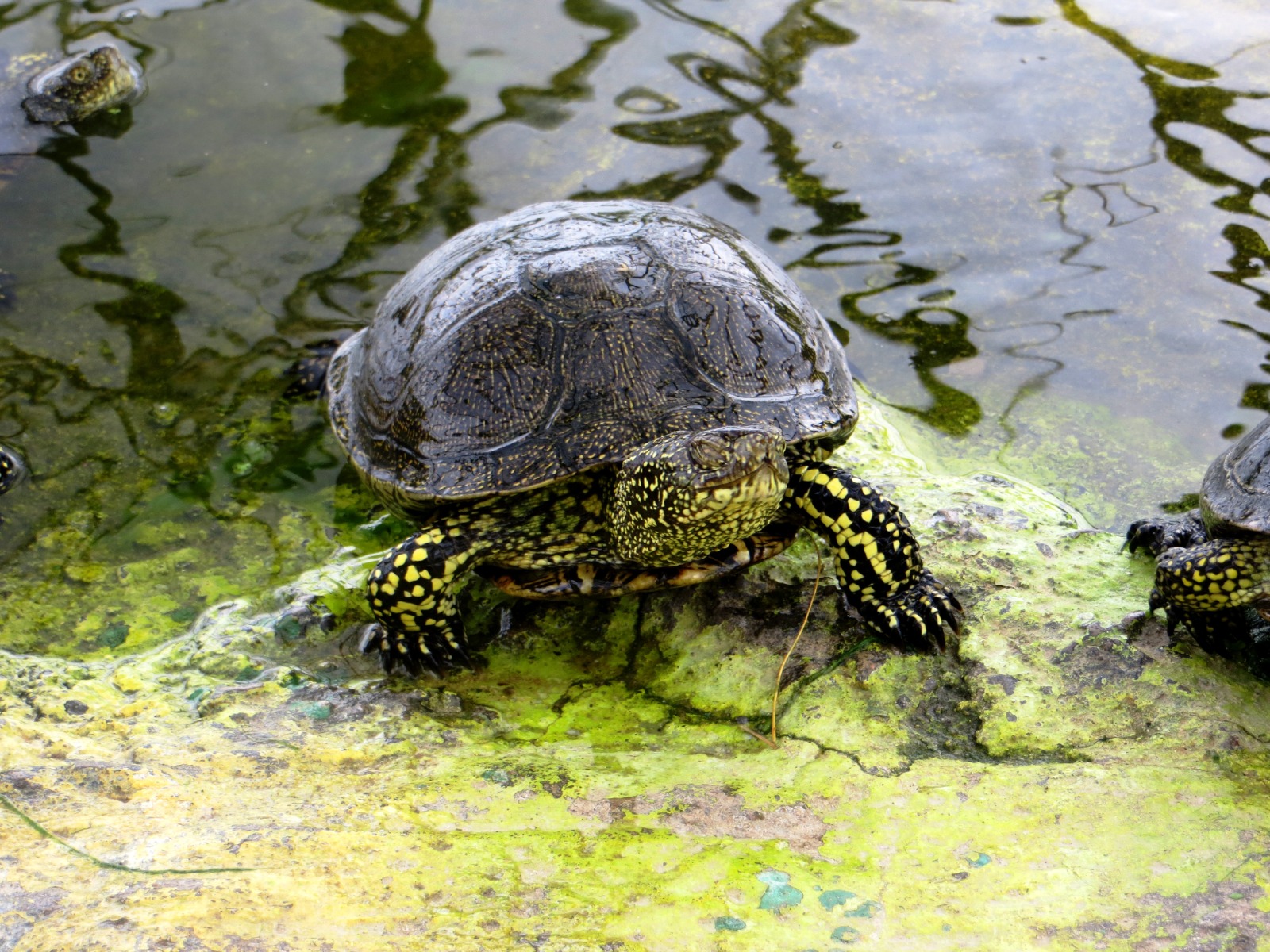
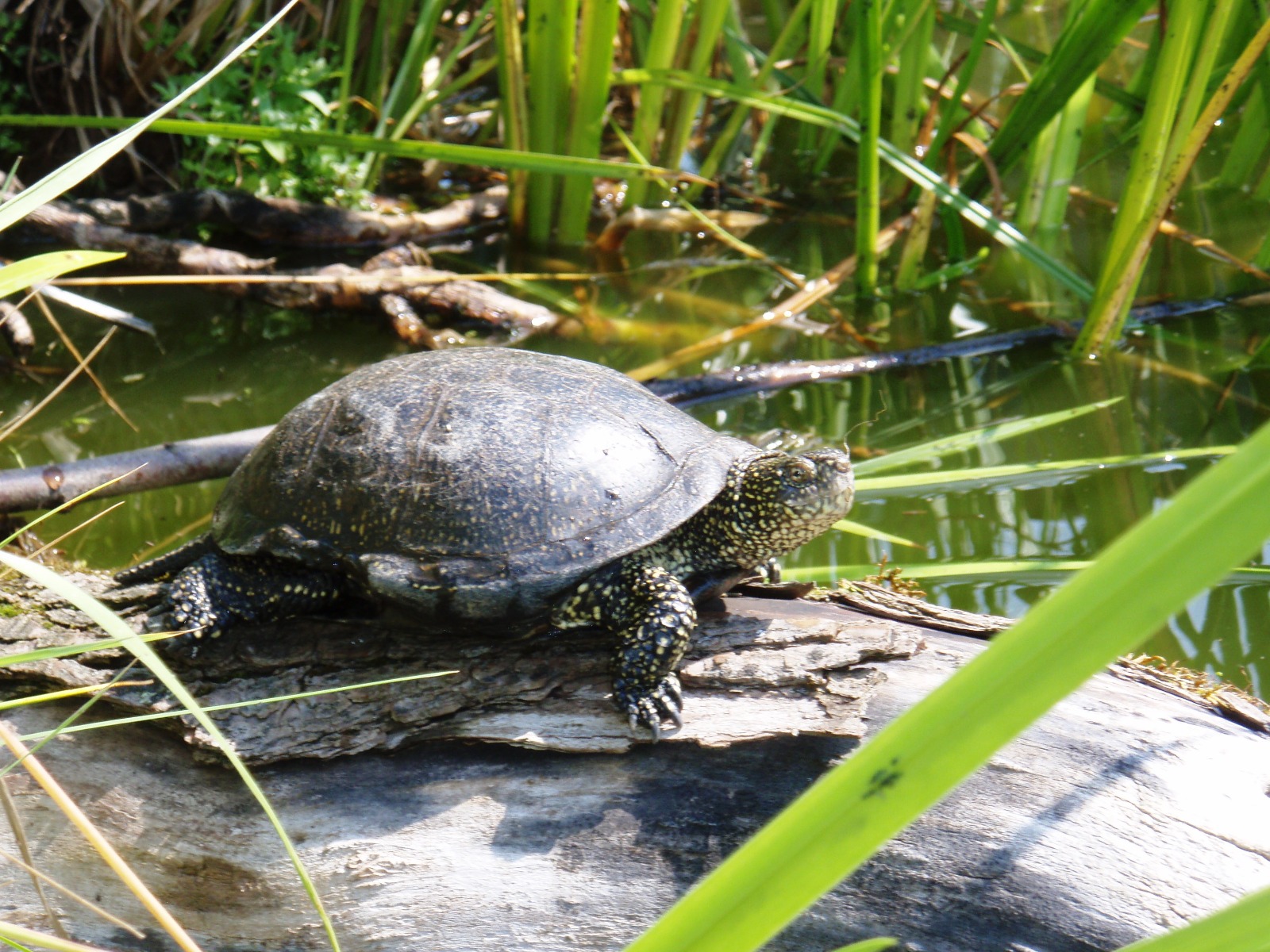
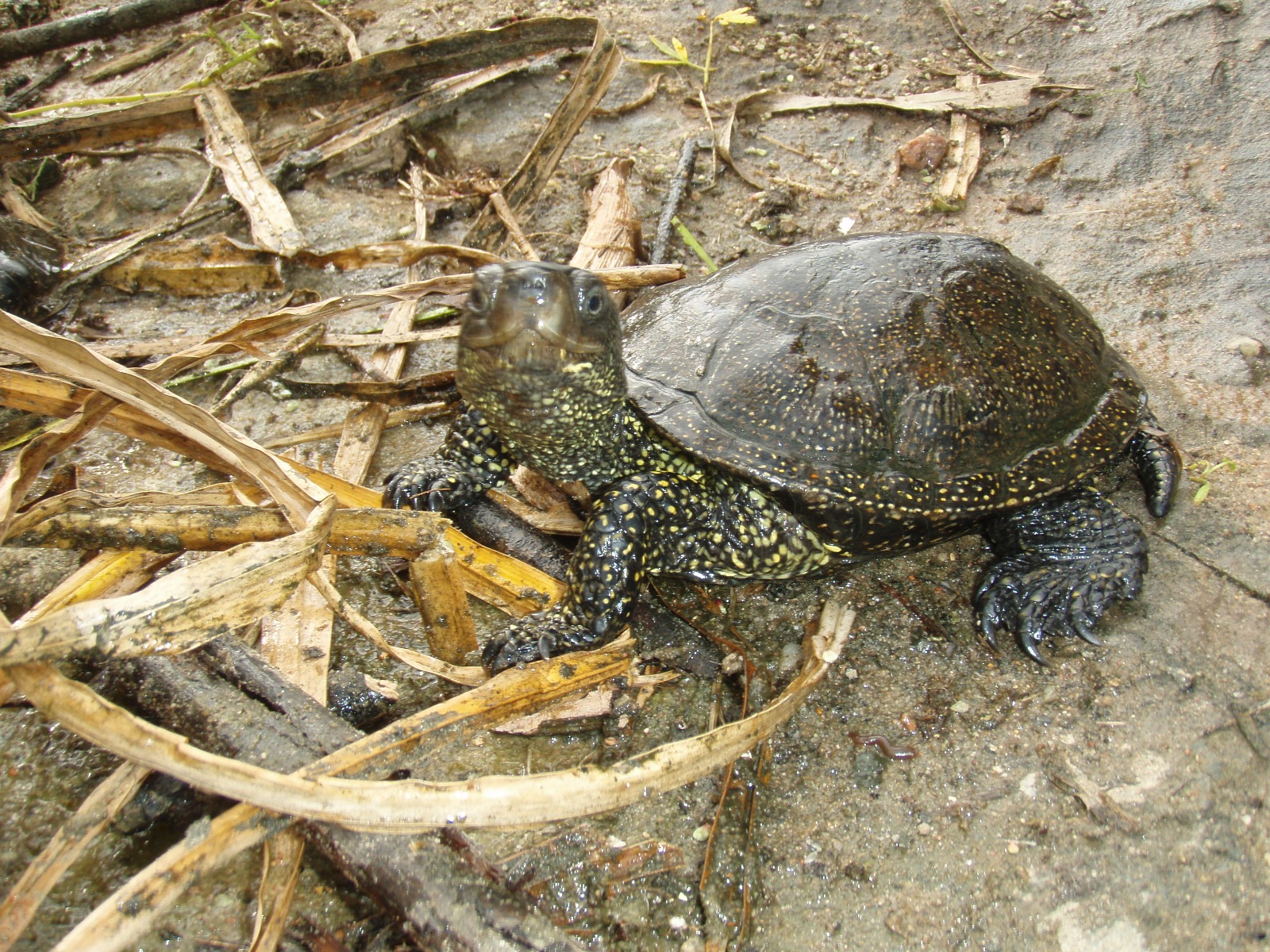
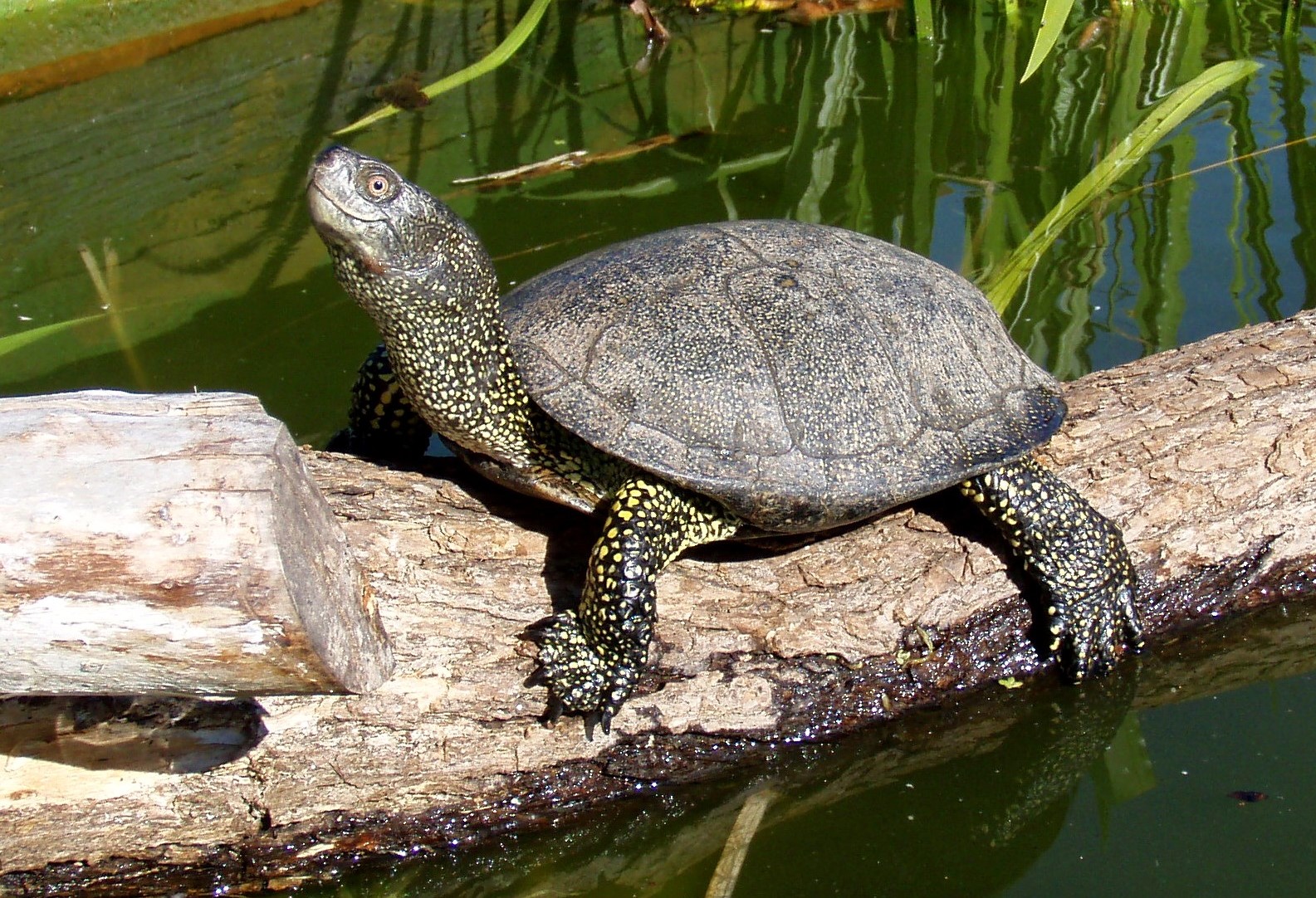
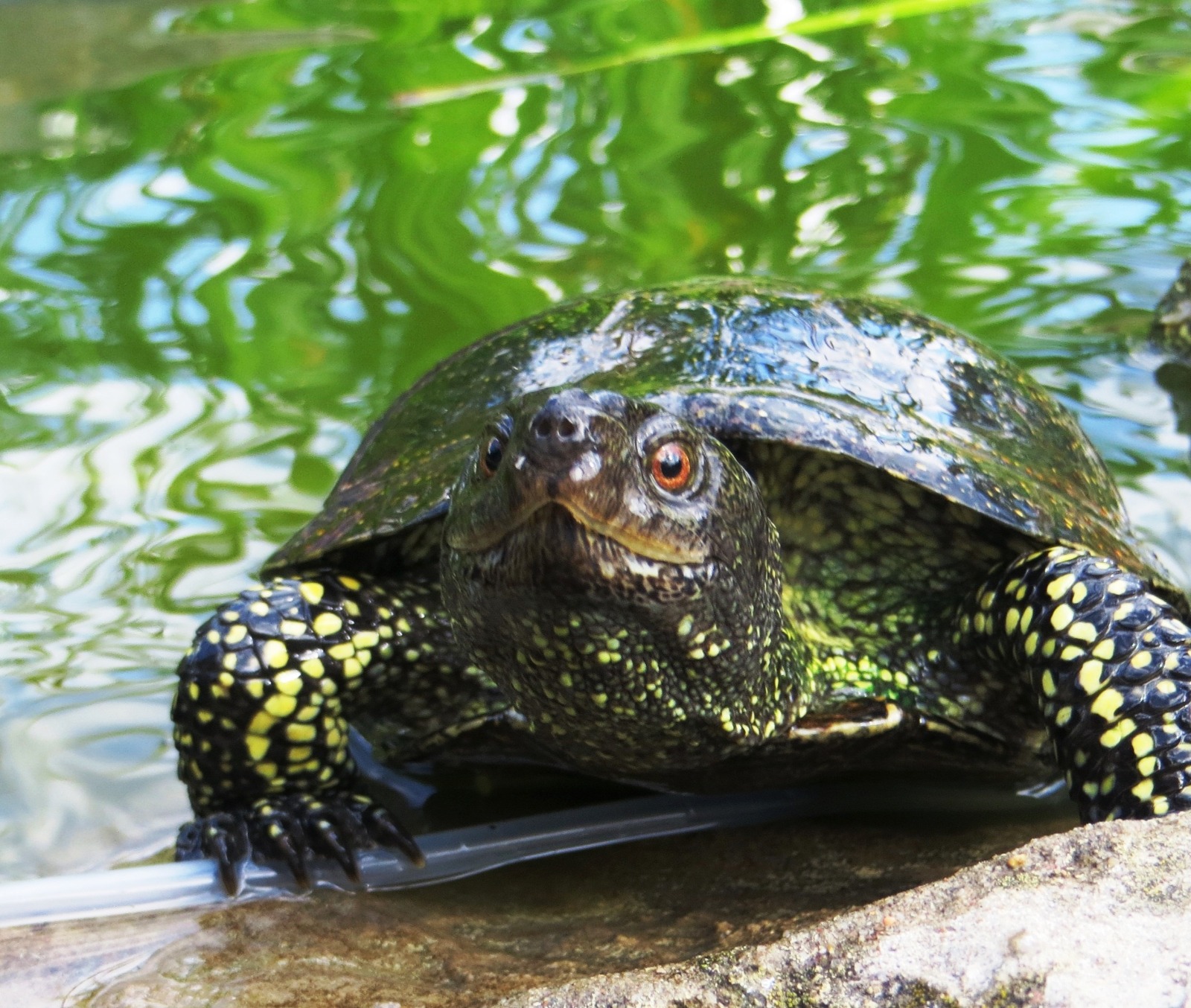
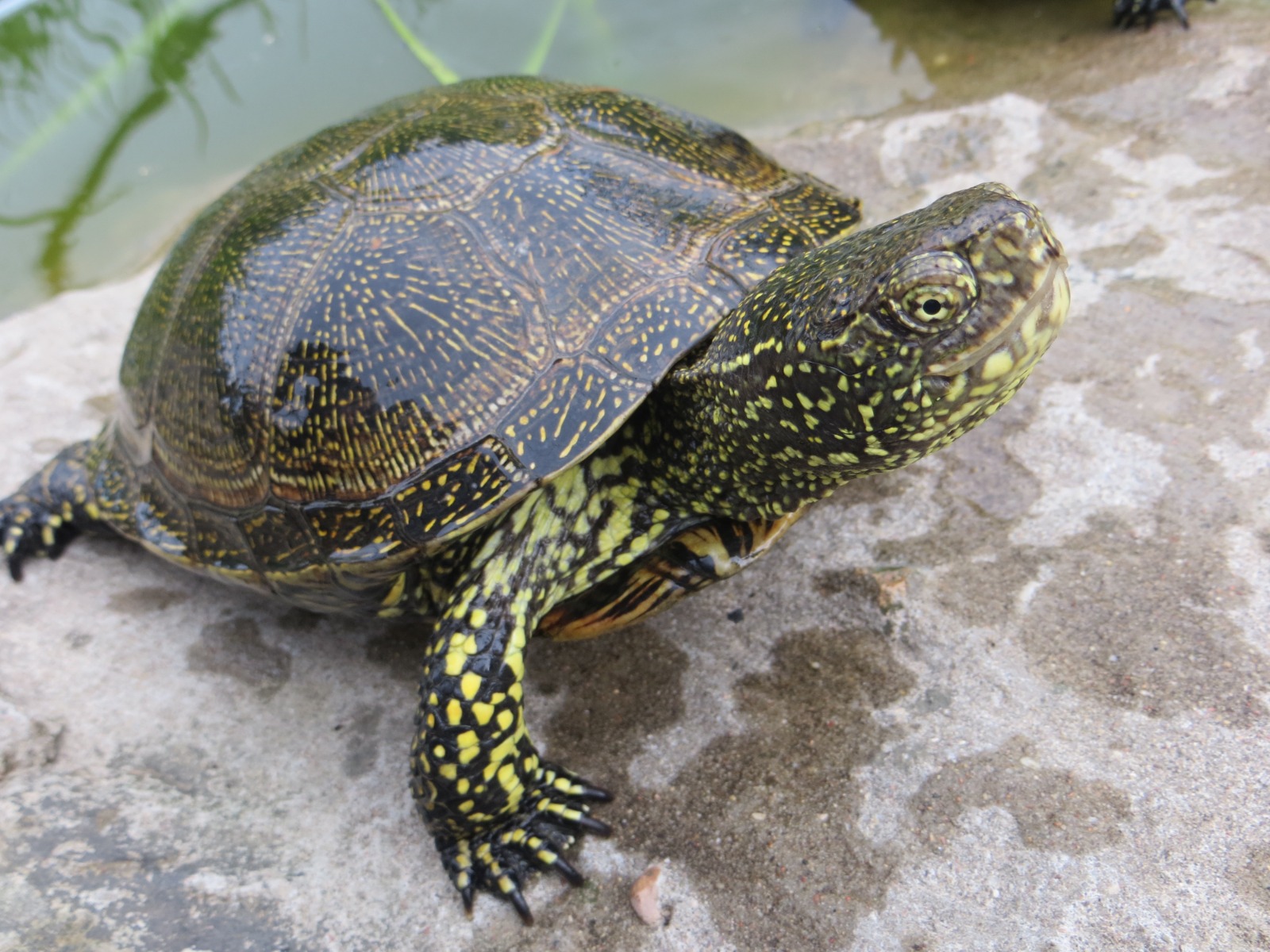
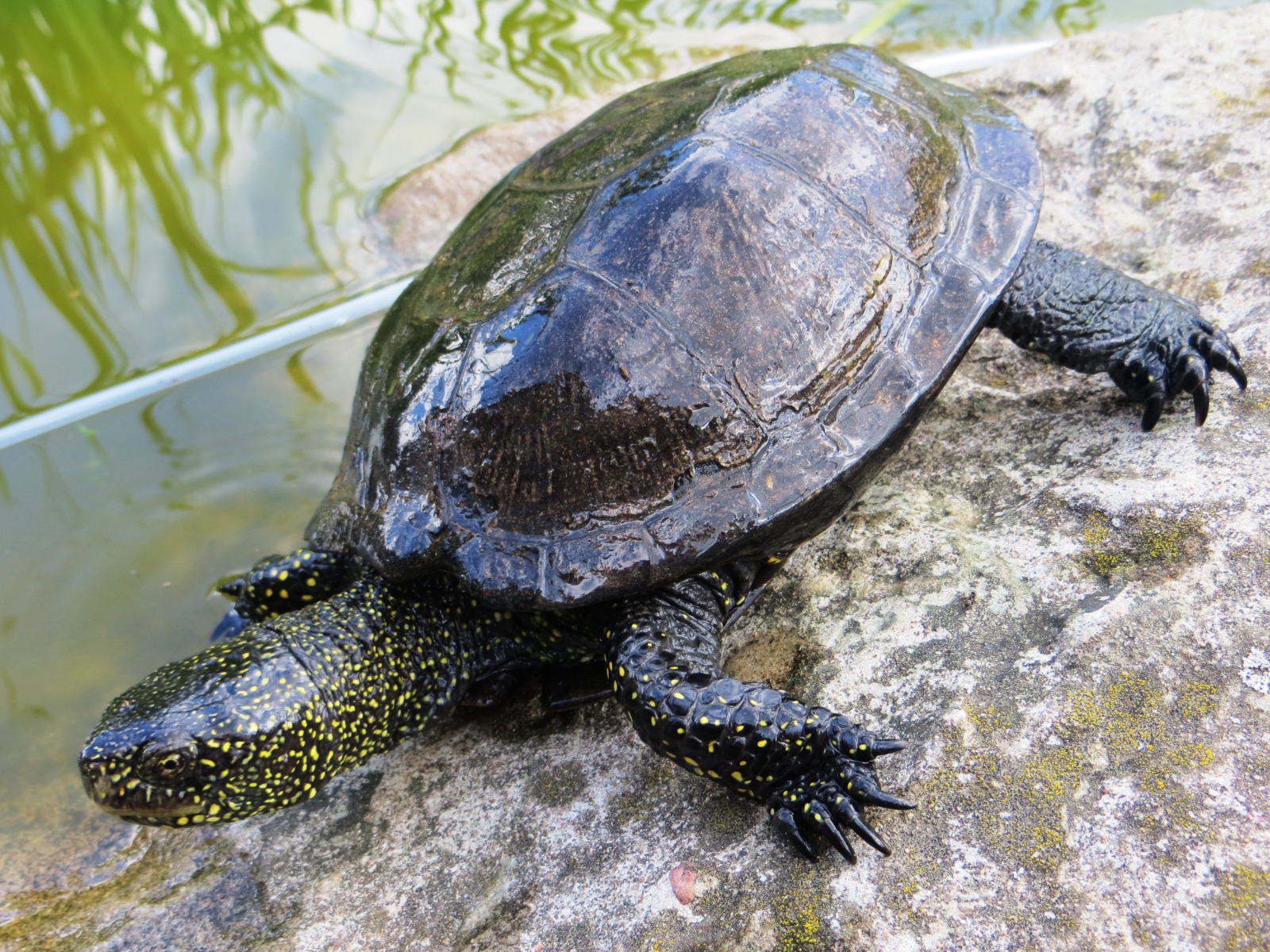
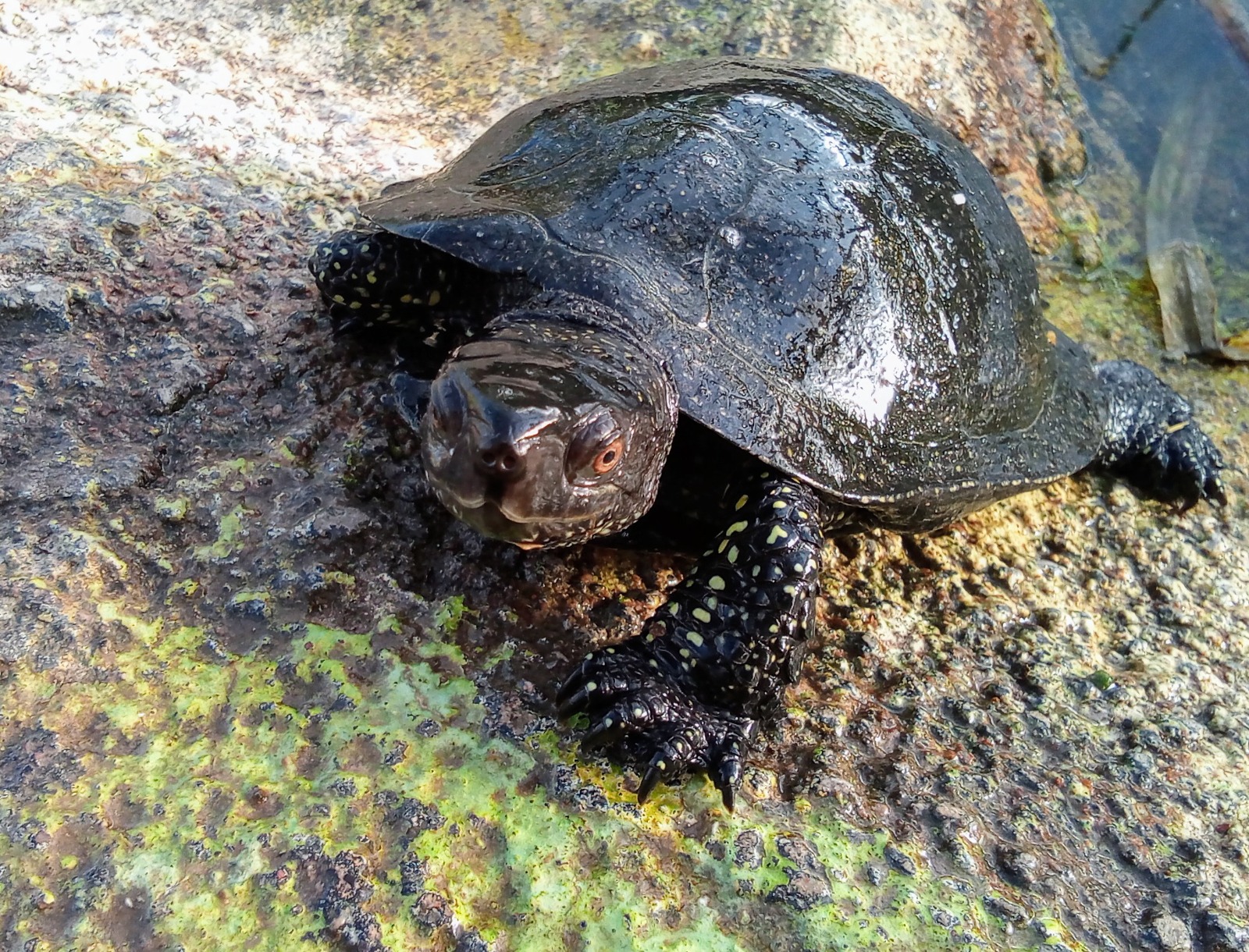
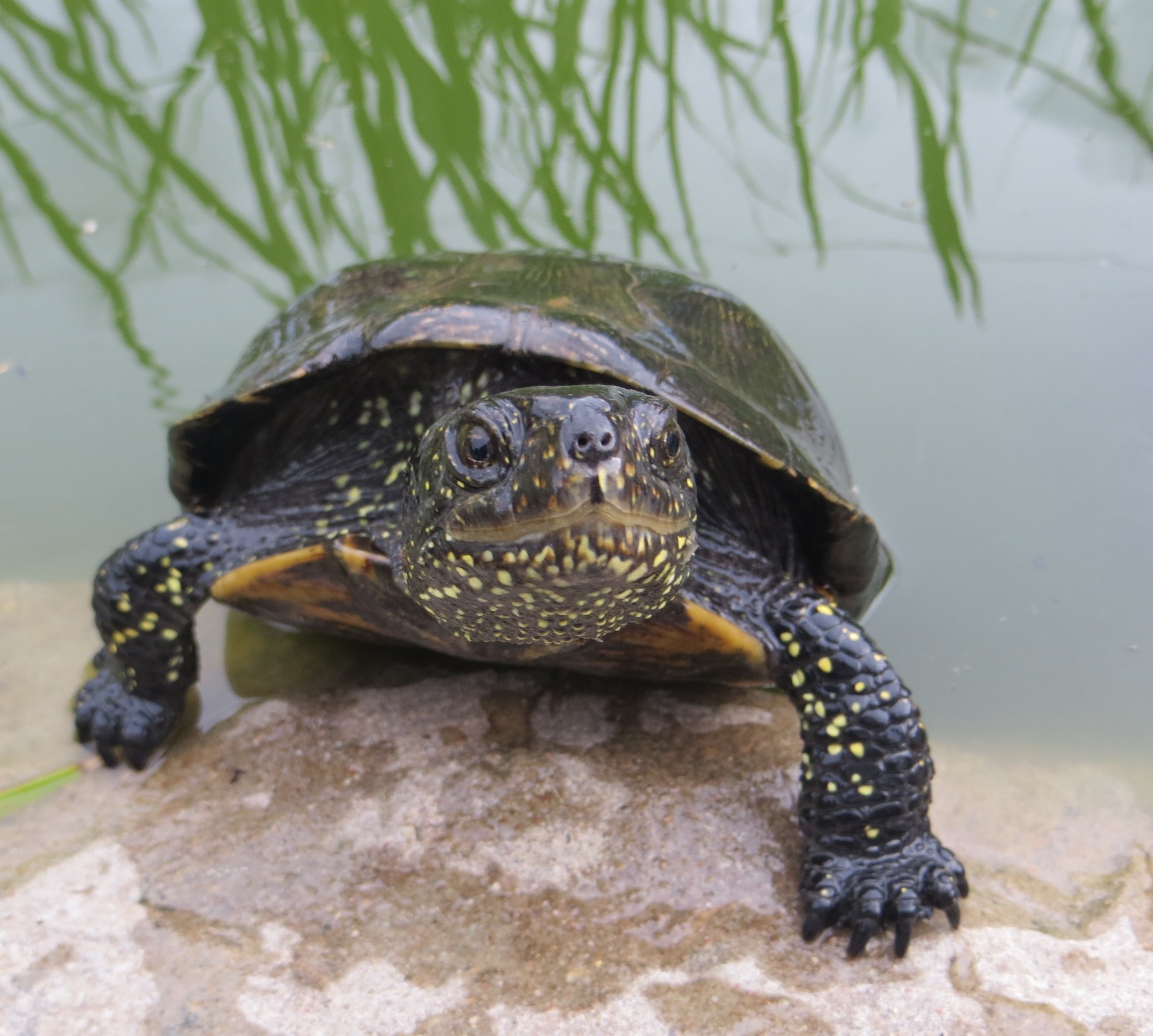
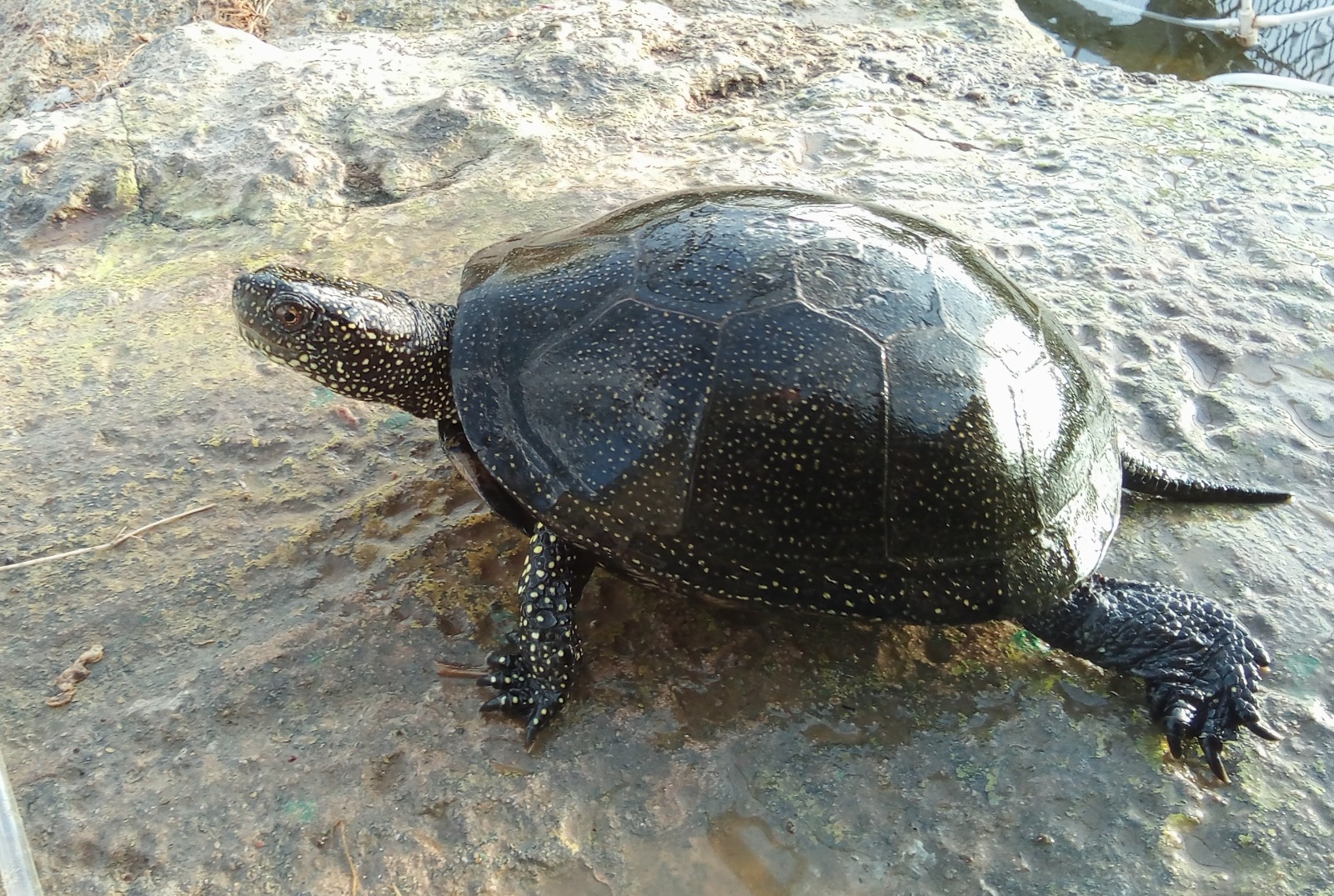
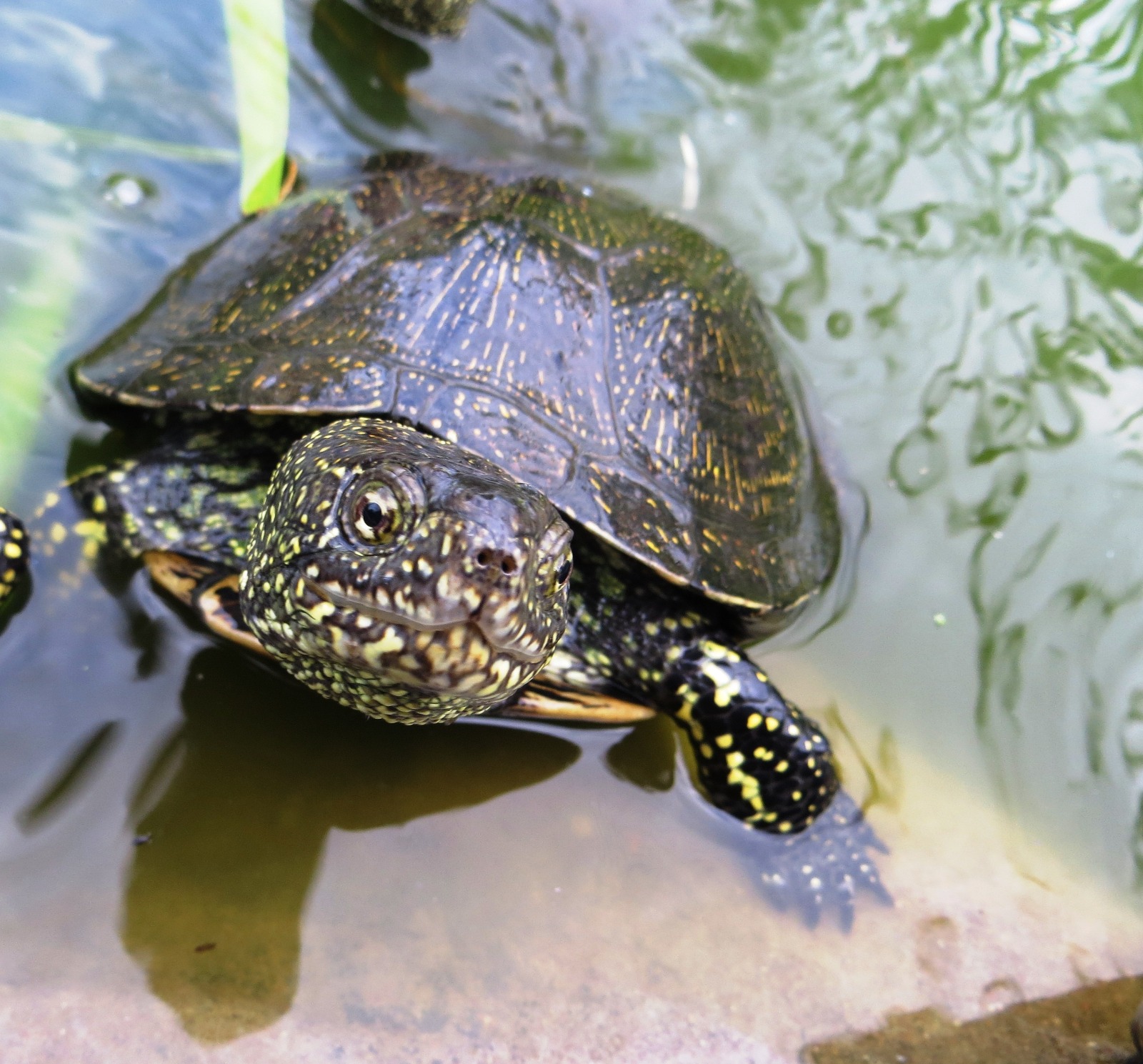
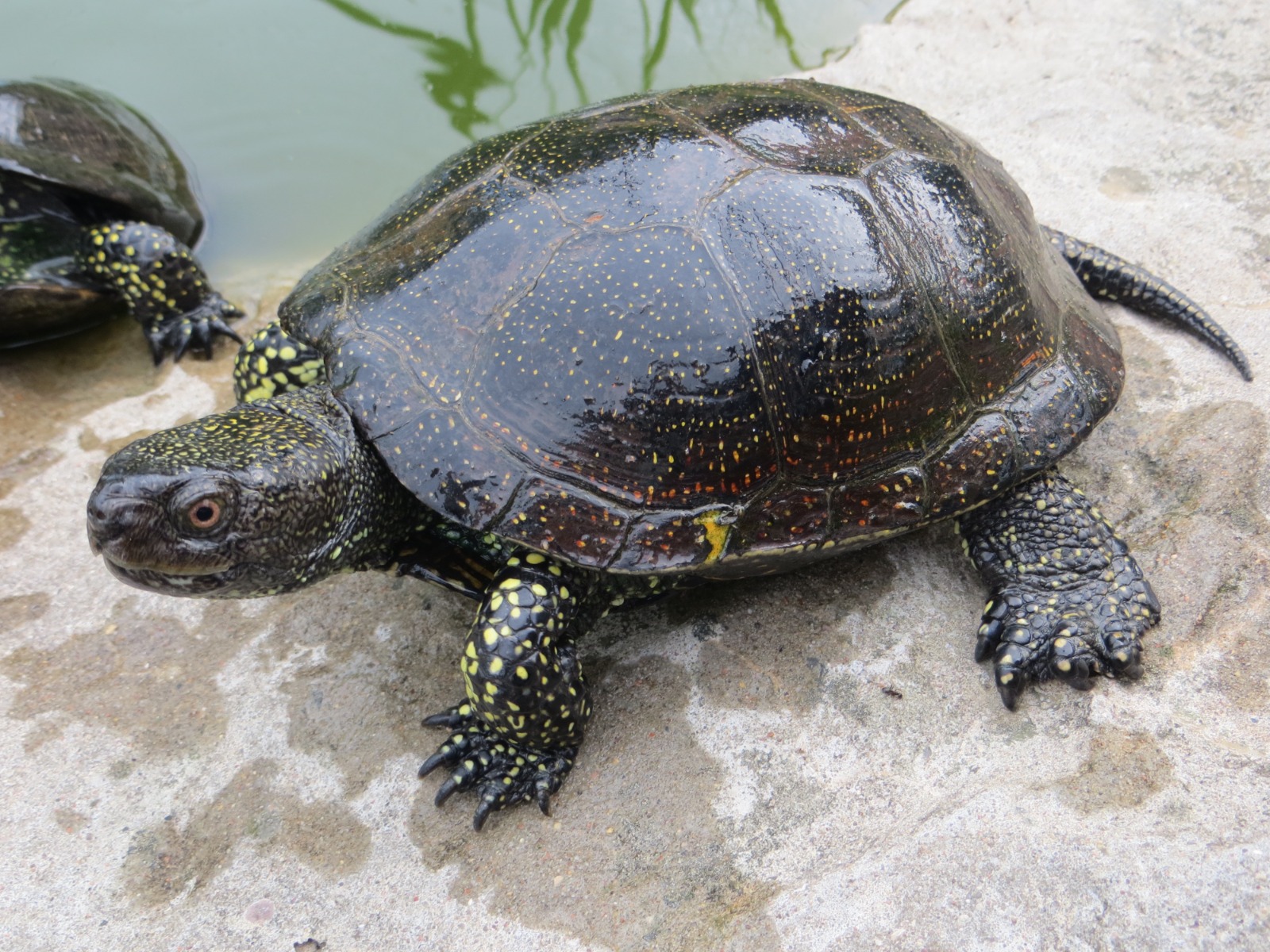
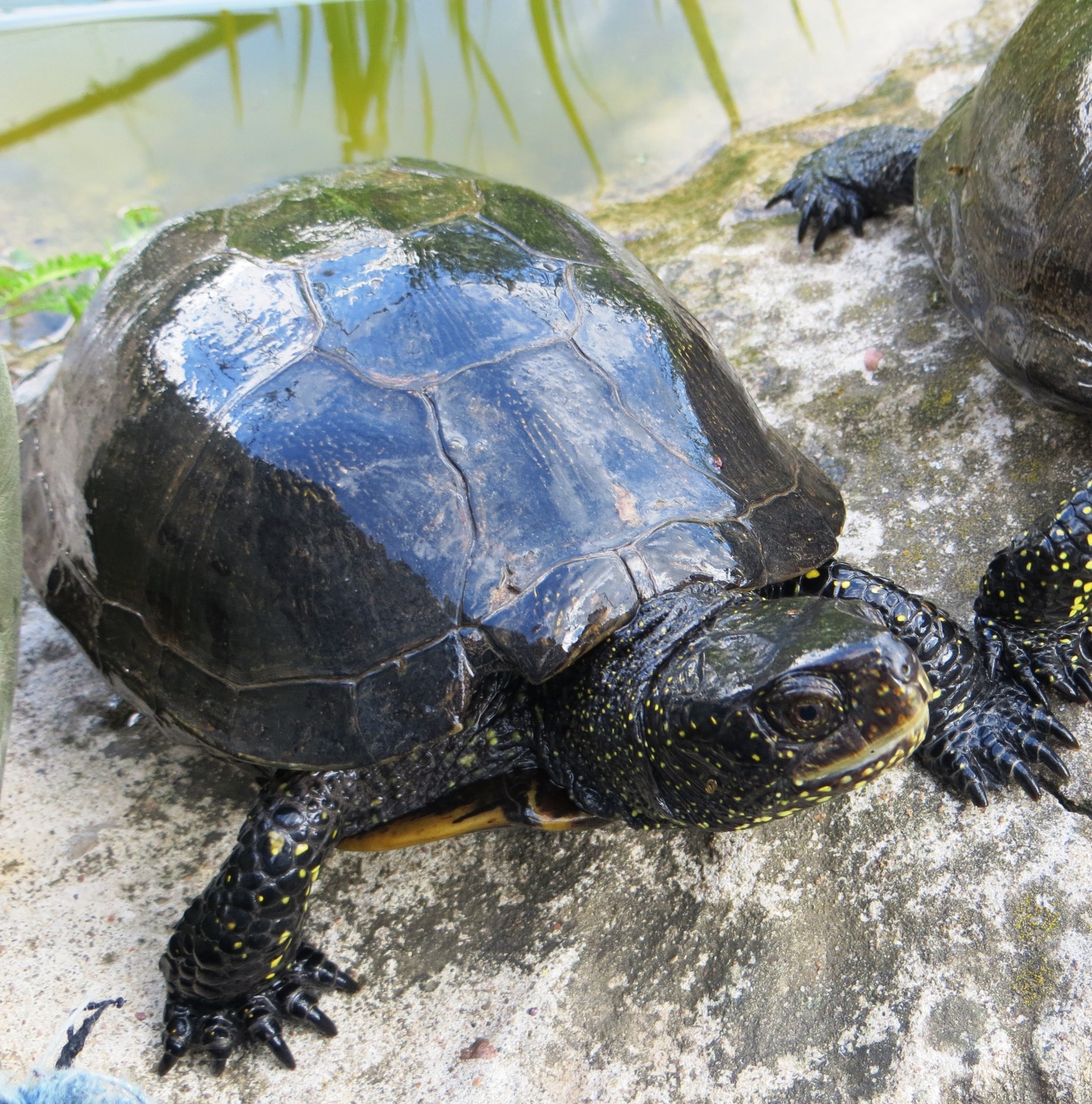
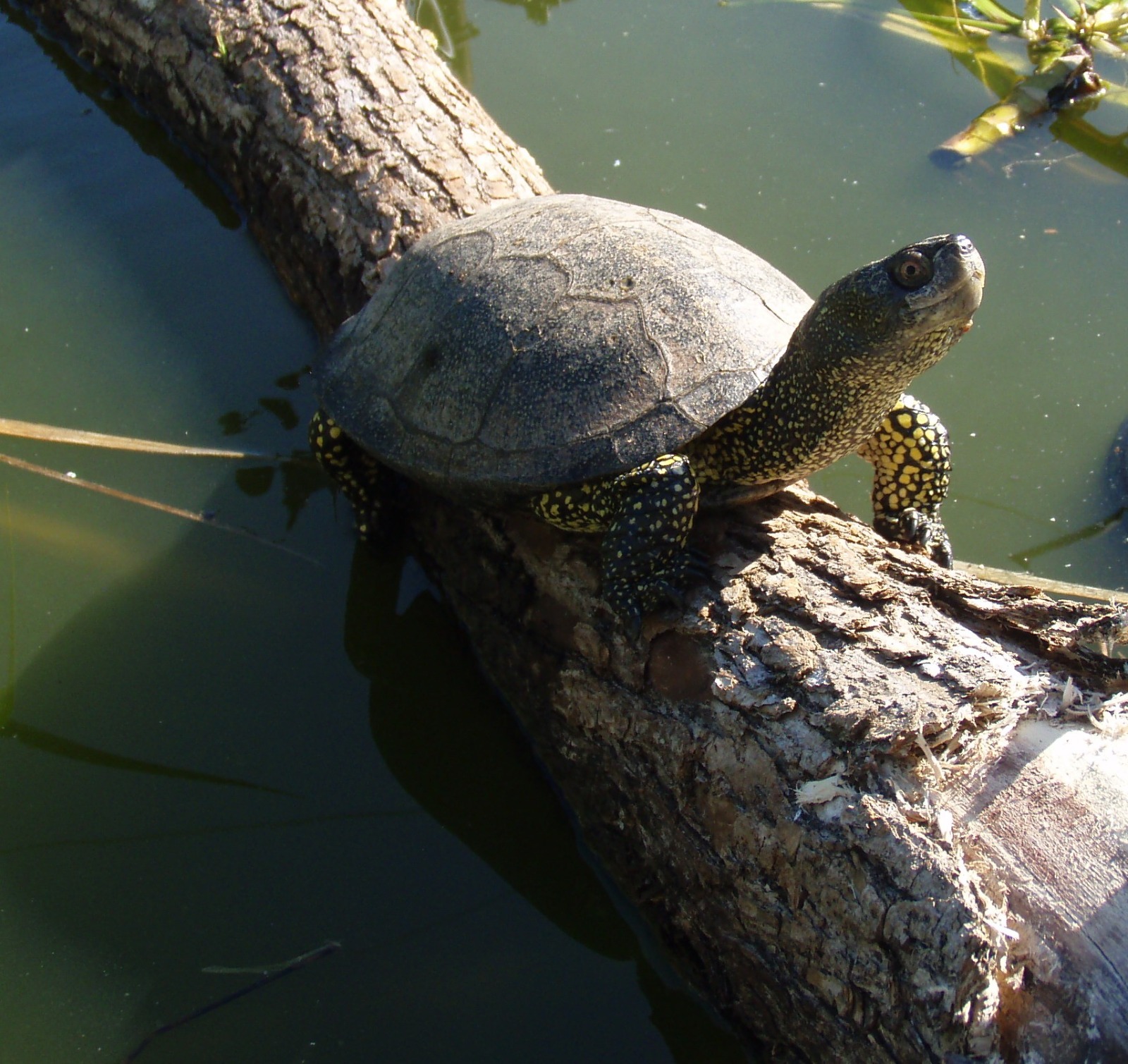
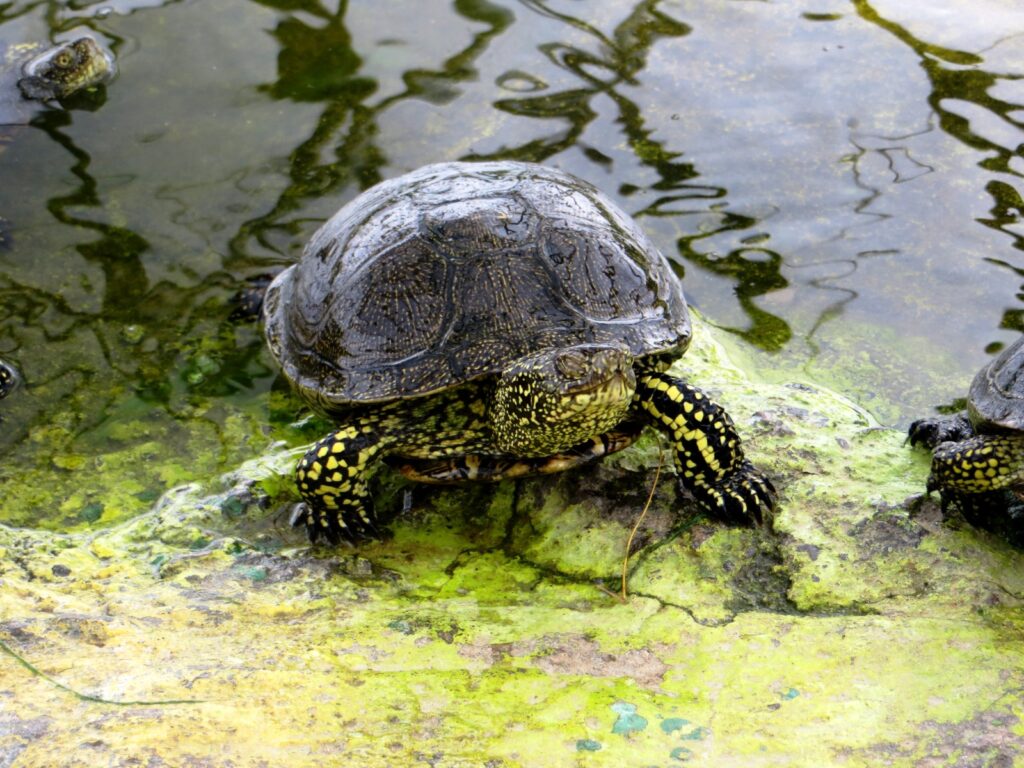
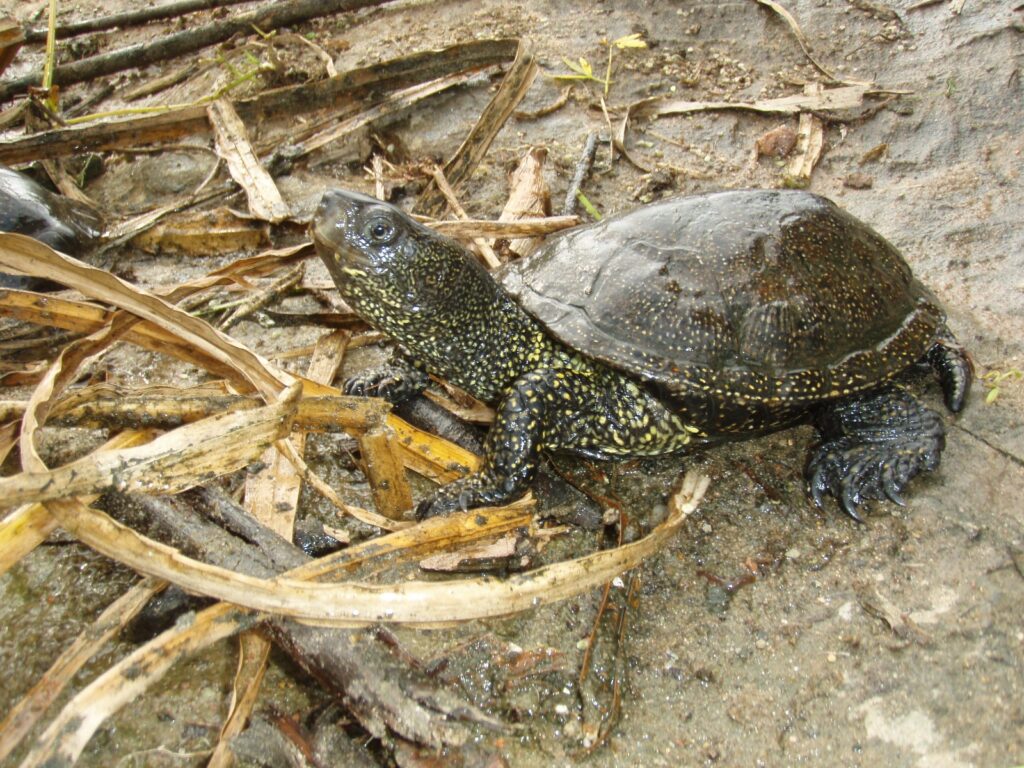
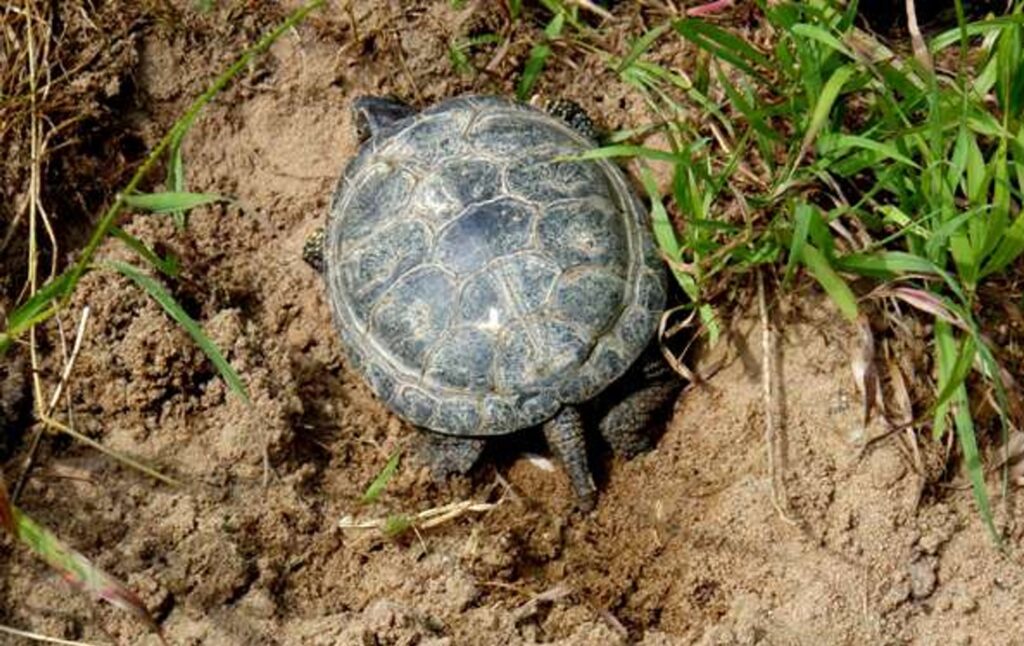
The back shell (carapace) of an adult animal can reach a length of up to 21 centimeters. The turtle’s weight can reach 1.5 kilograms. Individuals living in our northern climate are usually very dark – their shell, head, and legs are black or dark gray, decorated with tiny, yellowish spots.

Cold-blooded animal:
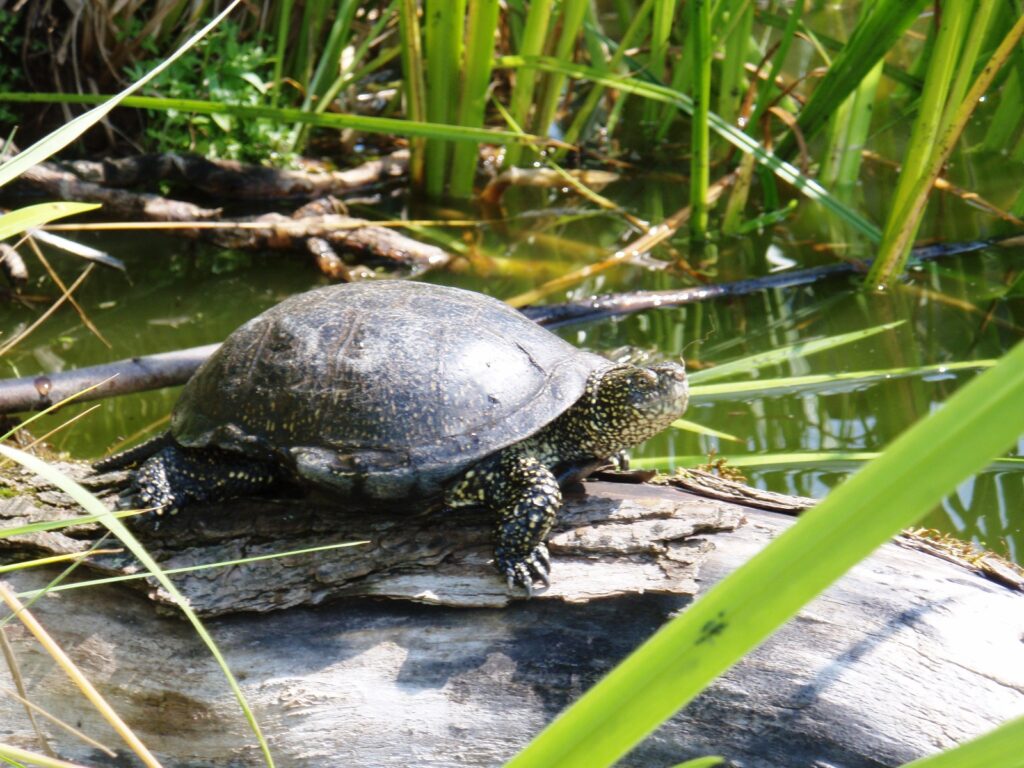
Like all reptiles, the pond turtle requires external heat. They lie motionless for hours and bask in the sun’s rays on tree trunks, branches, or grass clumps that rise above the water.

Long-lived and slow-growing:
The European pond turtle is truly long-lived – it can live up to 70 to 120 years. In our cool climate, they develop very slowly and only begin planning for offspring around the age of 20.

Diet:
Pond turtles are excellent swimmers and divers that hunt snails, insect larvae, water beetles, and earthworms in the water. Sometimes they also eat a frog or a small fish, but they also tend to feast on plants.

Habitat:
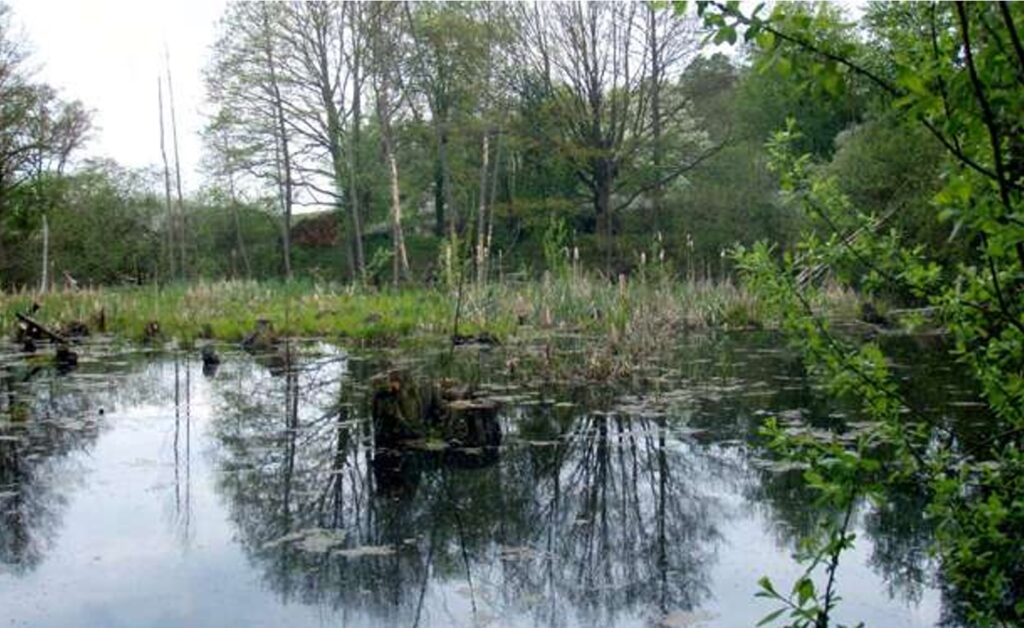
These turtles prefer stagnant water or a slow current. They inhabit shallow, plant-rich lakes, ponds, and beaver-flooded canals.

Wintering:
Turtles spend Latvia’s long and cold winters in hibernation. They burrow into the muddy bottom of the water body and sleep under the ice from October until the end of April or the beginning of May.

Laying eggs on land:
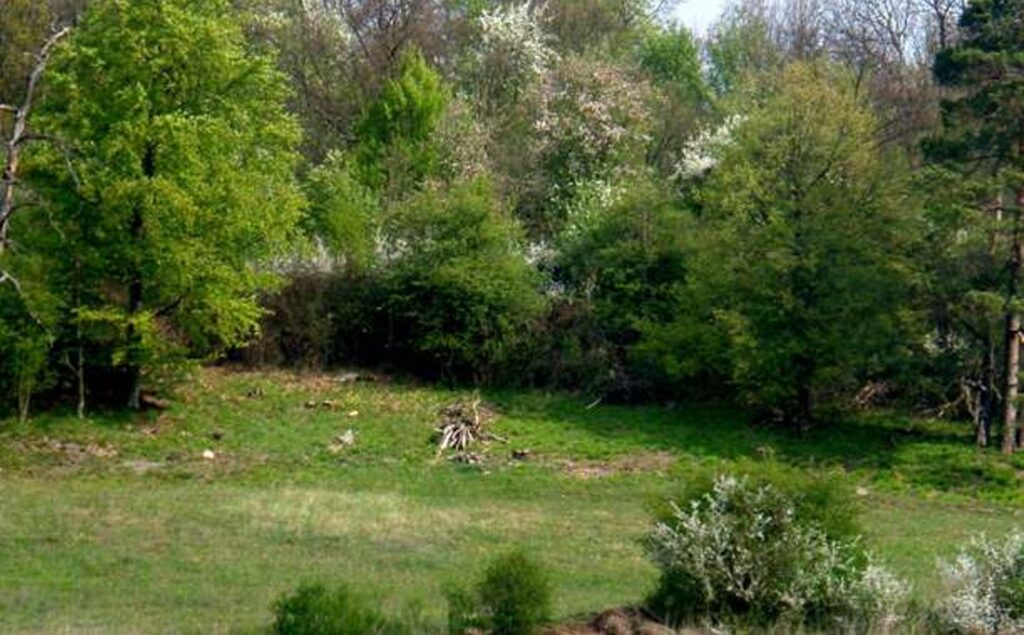
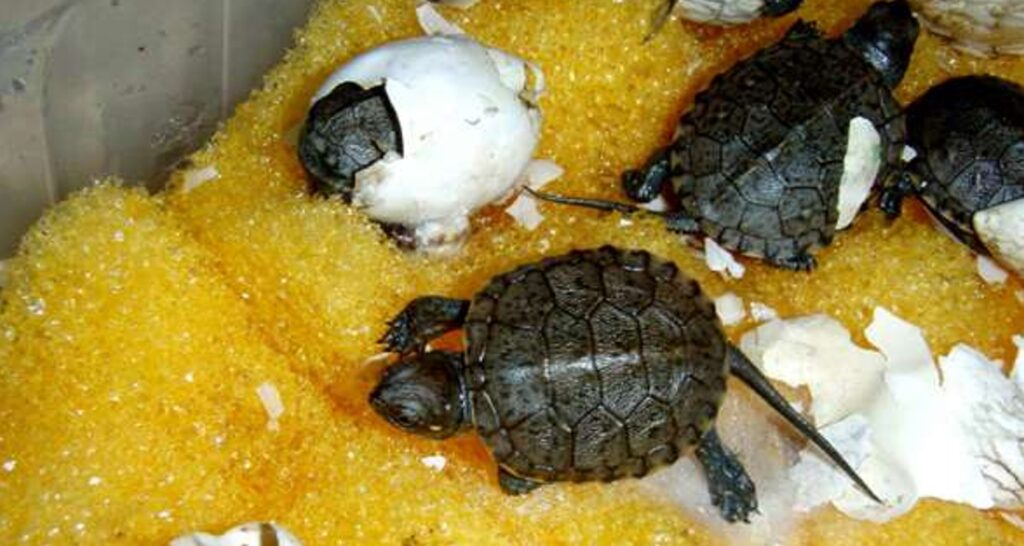
At the beginning of summer, females go looking for sunny, sandy hills, which can be even a kilometer away from the water. There they dig an 8-16 cm deep hole and lay 5 to 18 white eggs. The hatchlings emerge in the autumn, but most often they do not crawl out immediately – they overwinter in the nest underground and appear above ground only the following spring.

Inhabitant of the Red Data Book:
In Latvia, this species is extremely rare and included in Category 0 of the Red Data Book (extinct species), and is strictly protected throughout Europe. Currently, there is no known completely stable and large population in Latvia; mostly individual survivors are observed.

Unique genetics:
Over thousands of years, our turtles have specially adapted to the harsh northern conditions. By preserving them here, we help preserve the genetic diversity of the entire world’s species and maintain balance in our local ecosystems.
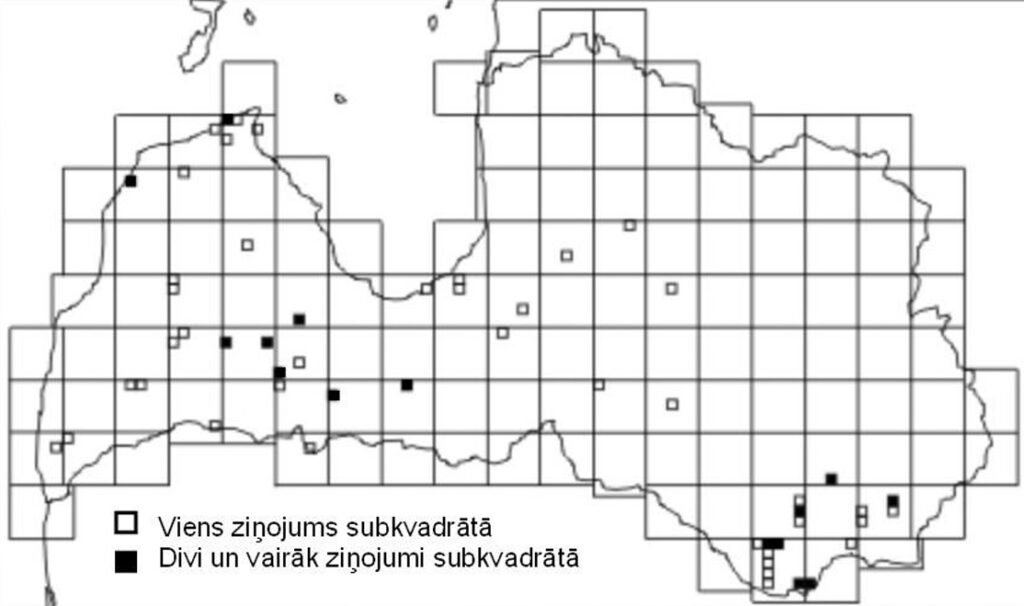
Although the pond turtle looks protected in its shell, many dangers lurk in nature:

Habitat destruction:
Drainage of ponds and swamps (melioration), mowing of banks, and deforestation deprive turtles of homes and safe places for egg-laying.

Traffic:
Road construction fragments their territories. When migrating, turtles are slow and have no natural defense reaction against cars, so they often die on roads.

Predators and alien species:
Eggs and hatchlings are eaten by wild boars, foxes, as well as predators introduced by humans that have multiplied in the wild – raccoon dogs and American mink. An additional threat is posed by exotic pet turtles (such as the red-eared slider), which people thoughtlessly release into the wild. They are food competitors and carry diseases that are deadly to our turtles.

Human actions:
Burning dry grass, getting caught in fishermen’s nets (where animals drown), and the deliberate illegal catching of turtles to take home are serious threats.
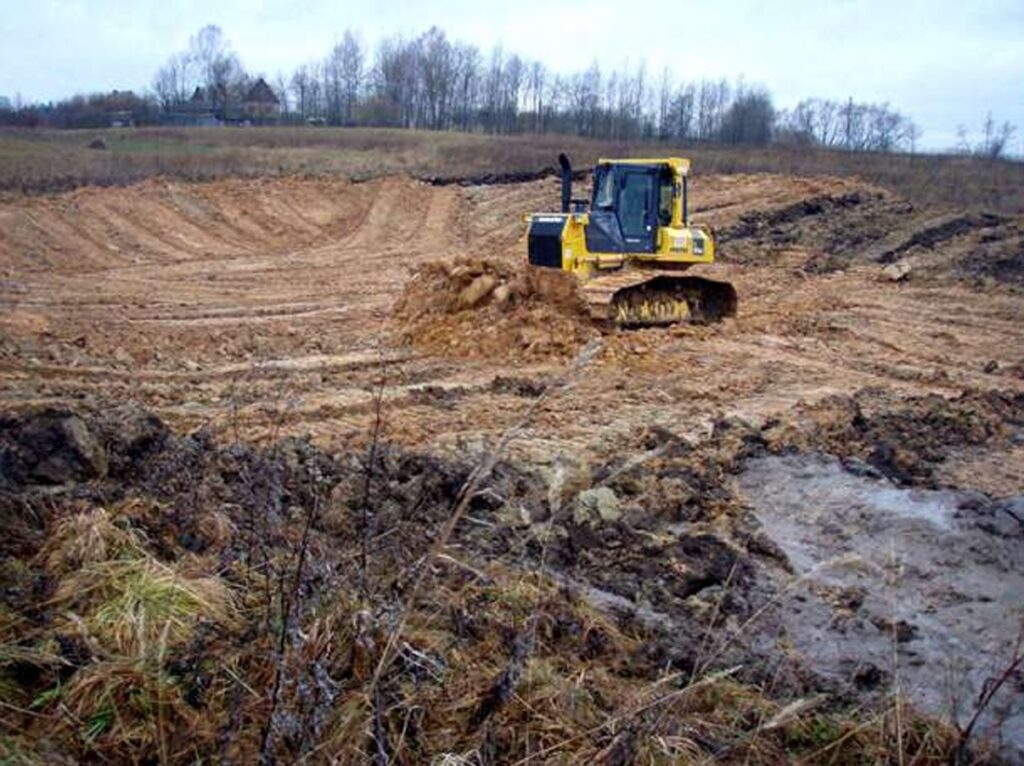
On a national scale, a special Species Protection Plan is in place – researchers identify habitats, adapt ponds and forest edges to the animals’ needs, and breed hatchlings in captivity (for example, at the Latgale Zoo) to later return them to the wild.
While enjoying relaxation in the nature park, we ask you to observe these simple rules:
1. Observe from a distance! If you are lucky enough to see a pond turtle, do not approach it, do not make noise, and do not try to catch it. A frightened animal will escape into the cold water and will not be able to warm up fully.
2. Do not take them home! Moving a turtle from the wild to a home is strictly prohibited by law. The loss of each caught adult individual can mean the extinction of an entire local population.
3. Watch your pet! In the nature park, a dog must always be on a leash. Dogs can easily find and dig up turtle eggs, as well as injure the reptile itself.
4, Report to researchers! If you spot a pond turtle or see unusual tracks in the sand near a water body (two rows of footprint pits with a wide stripe left by the shell between them), report it. This will greatly help nature researchers in their preservation.